抽象踏査.
Say it: Chūshō Tōsa.
Actually, it reads more like: chew shaw toh sah.
Does it feel … abstract?
Do you feel … out there?
Good, you’re getting there. 抽象 = abstract. 踏査 = field survey.
— — —
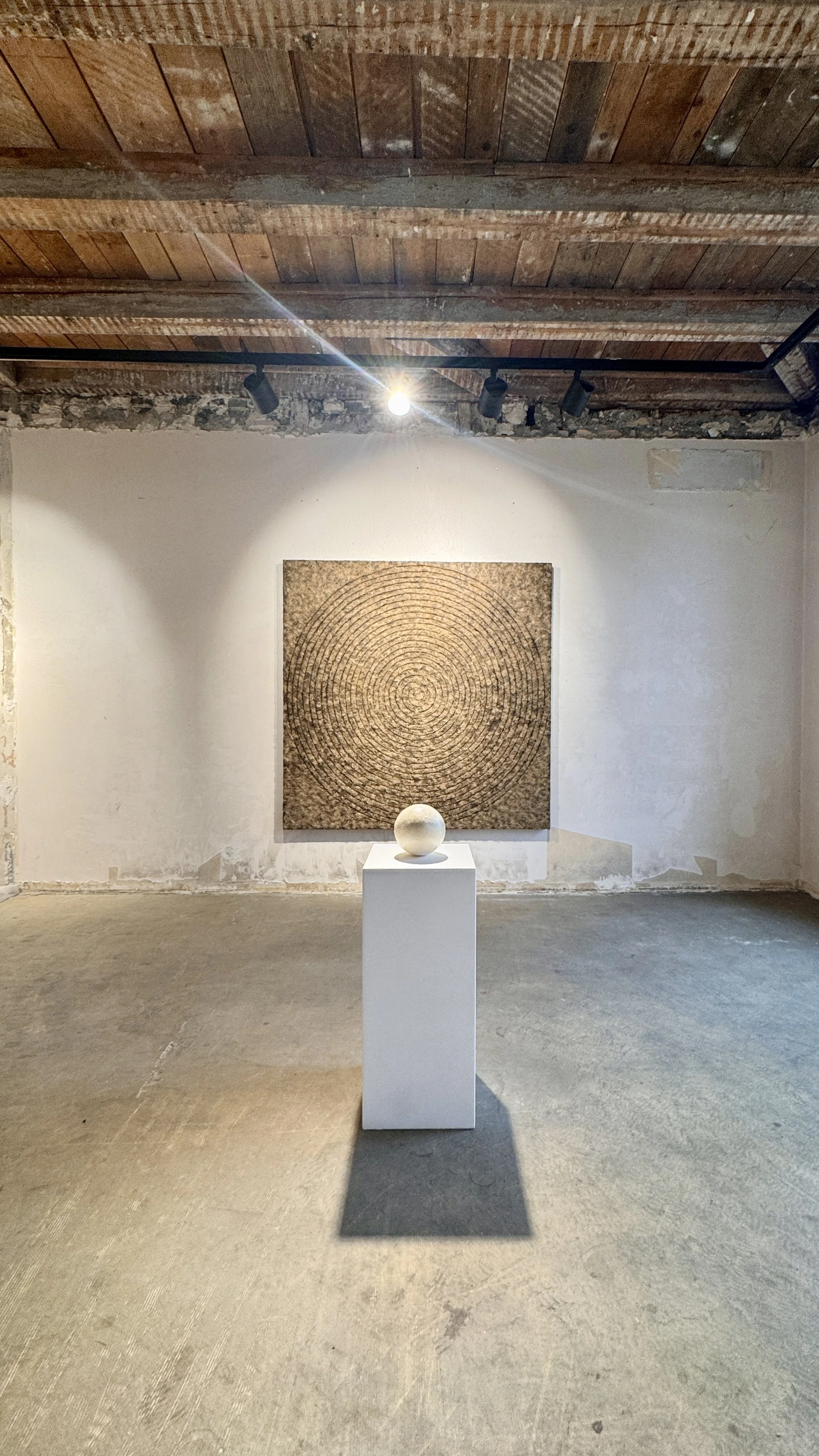
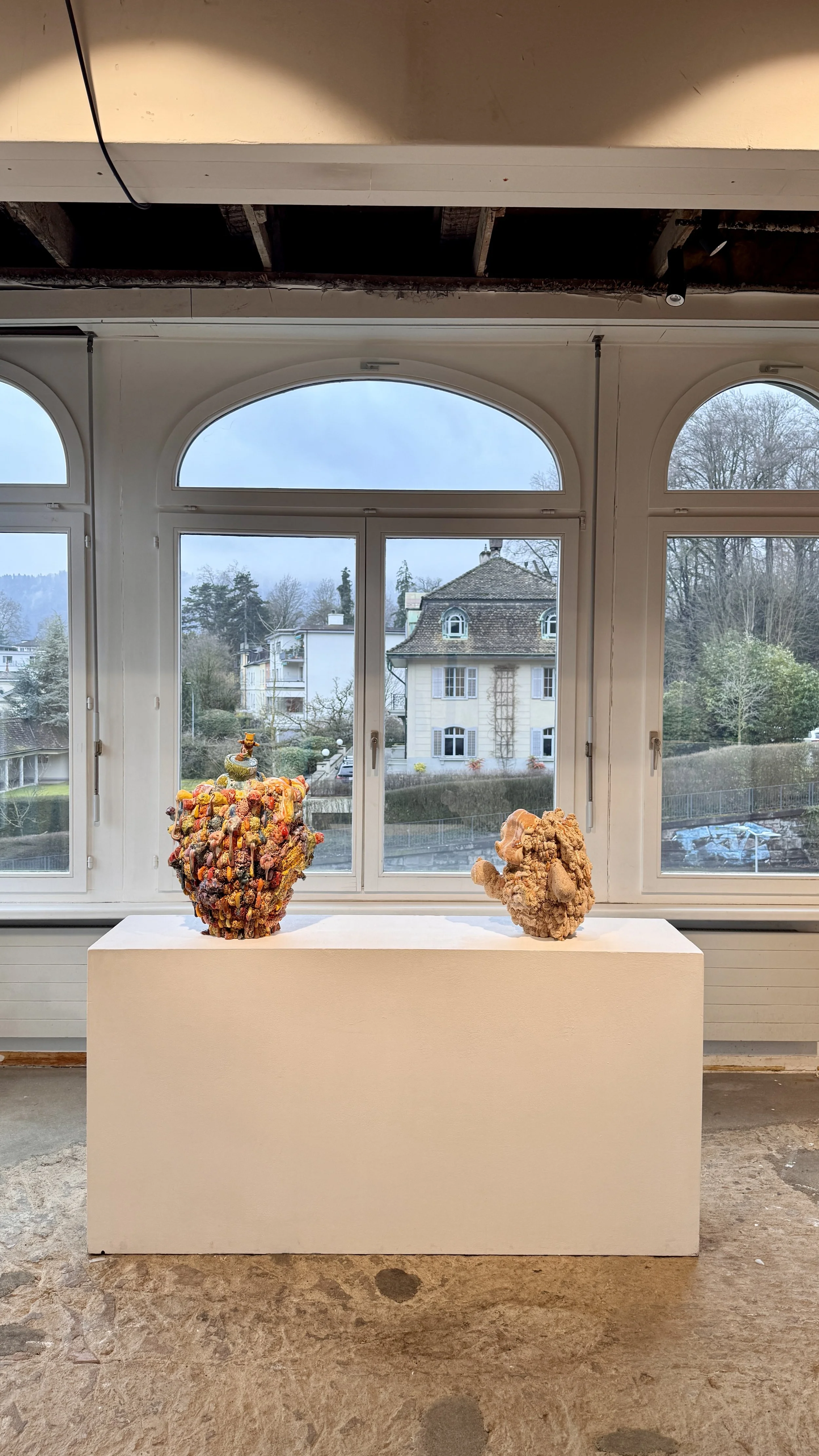
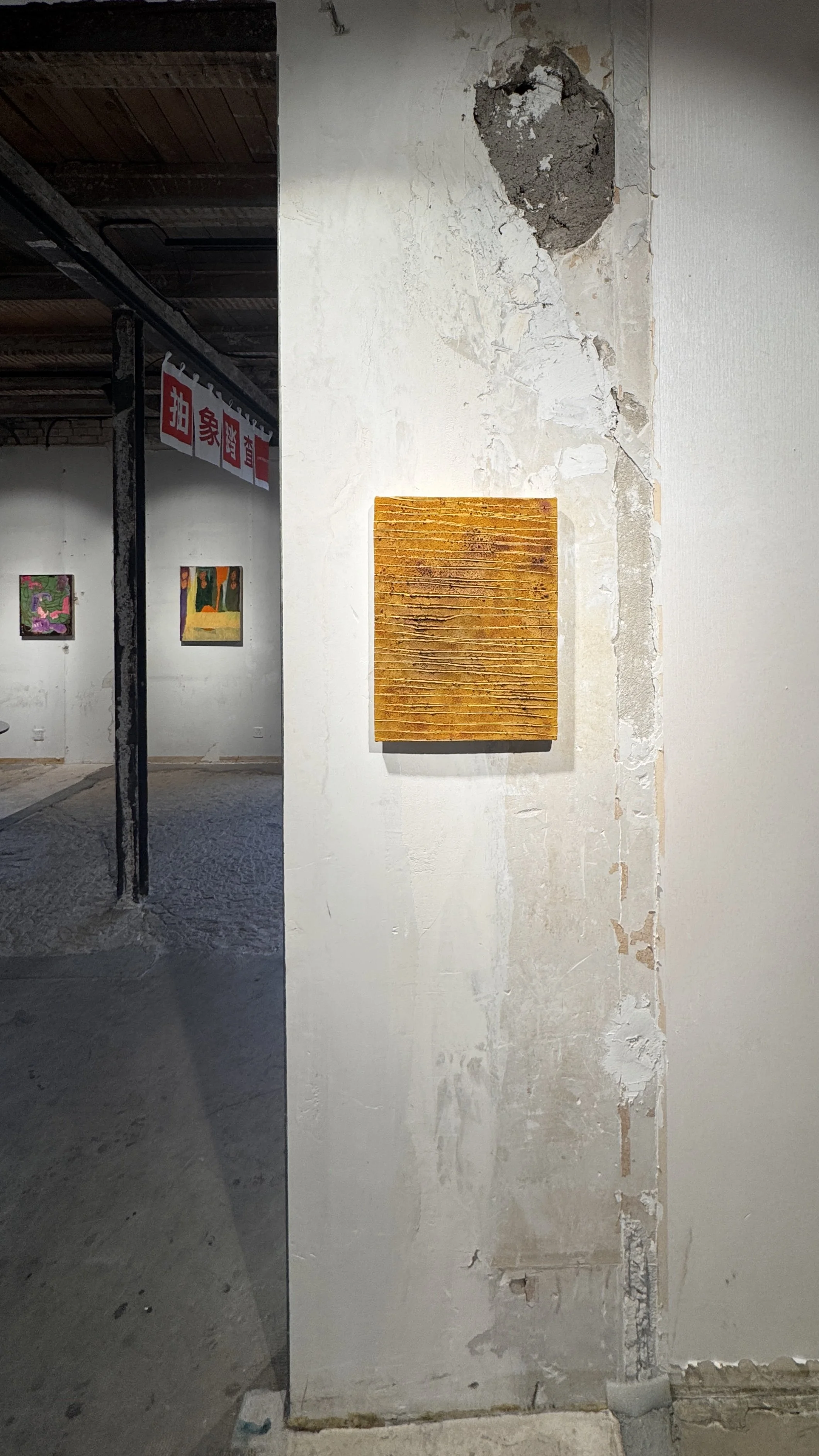
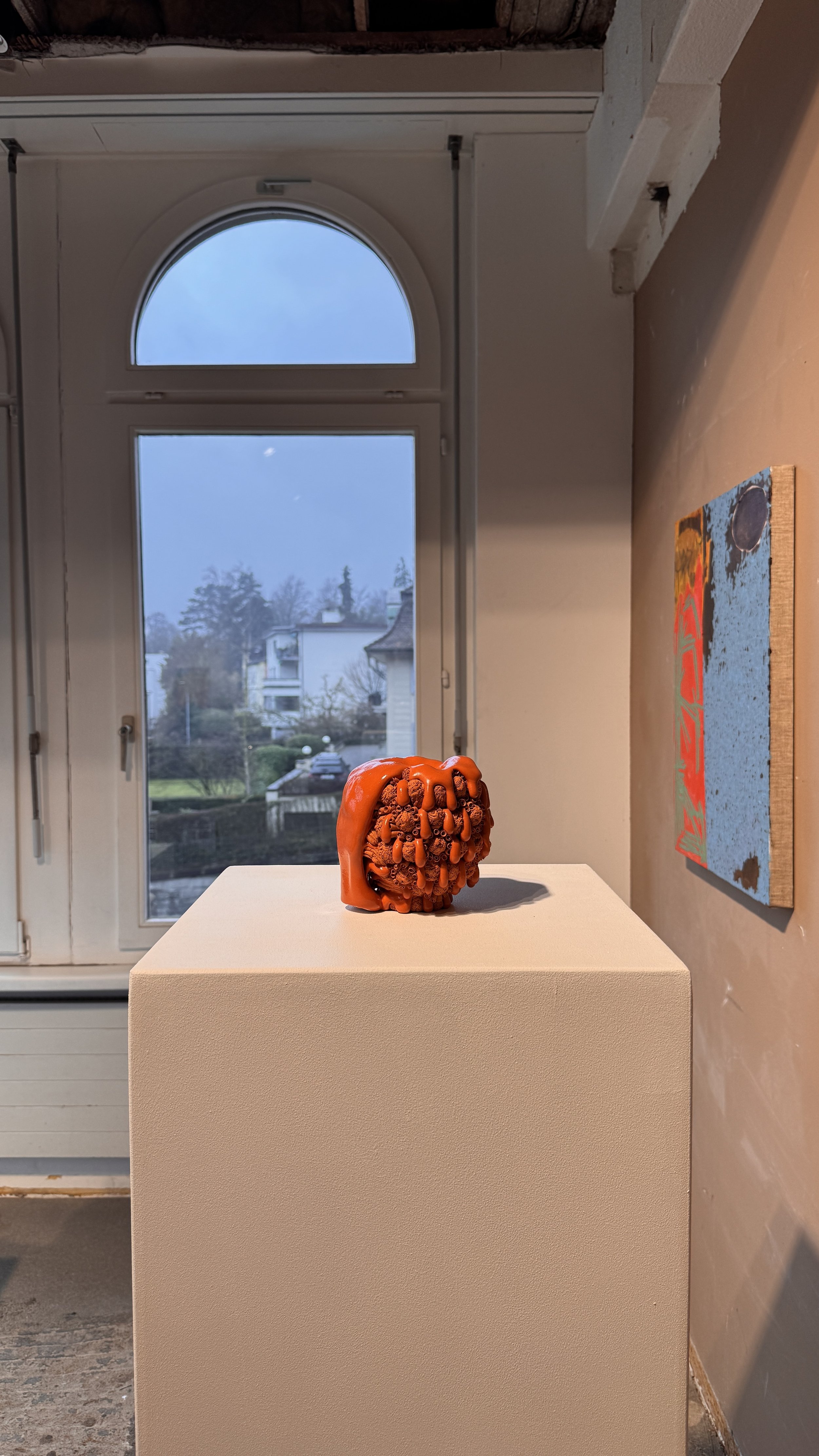
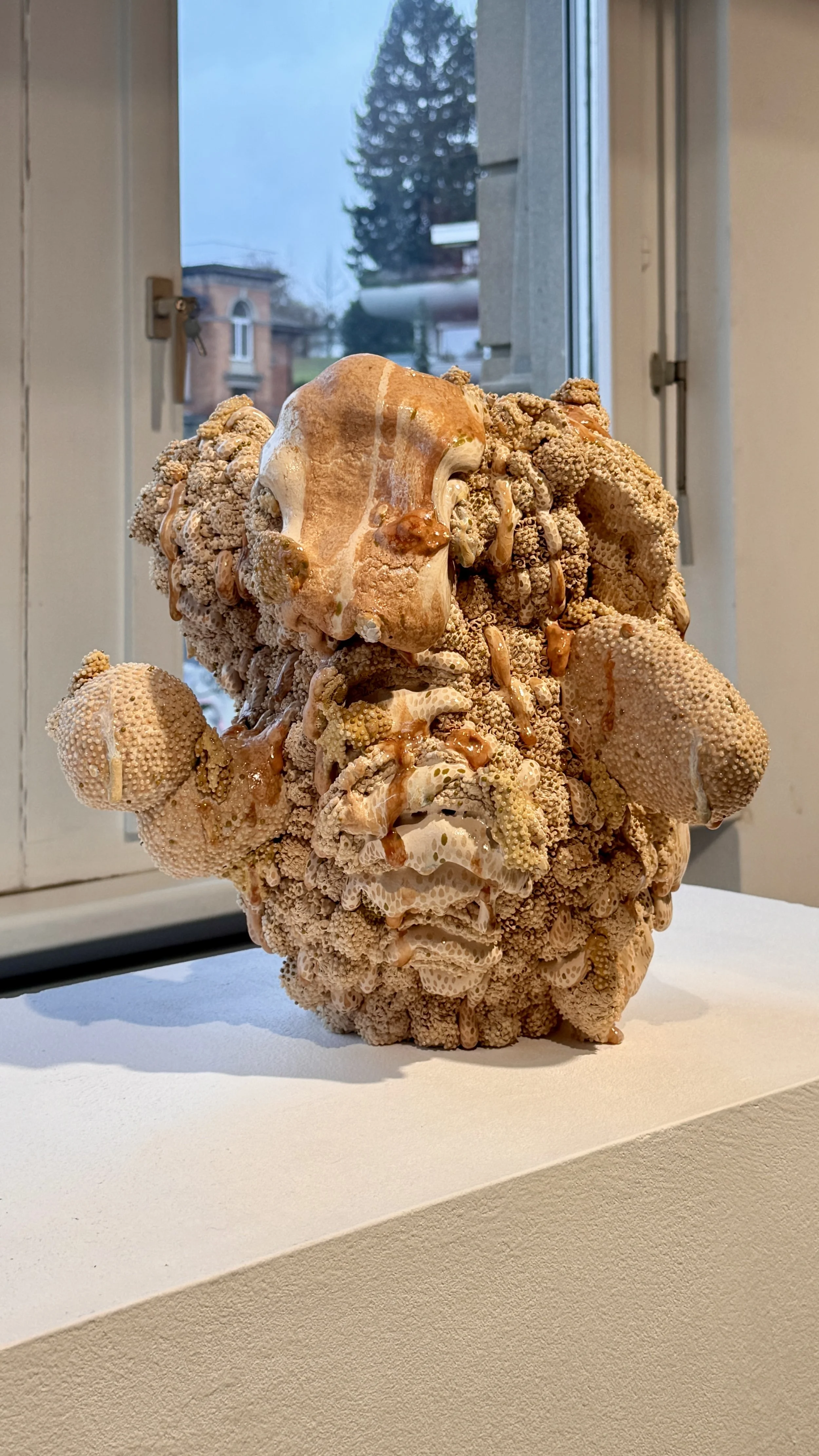
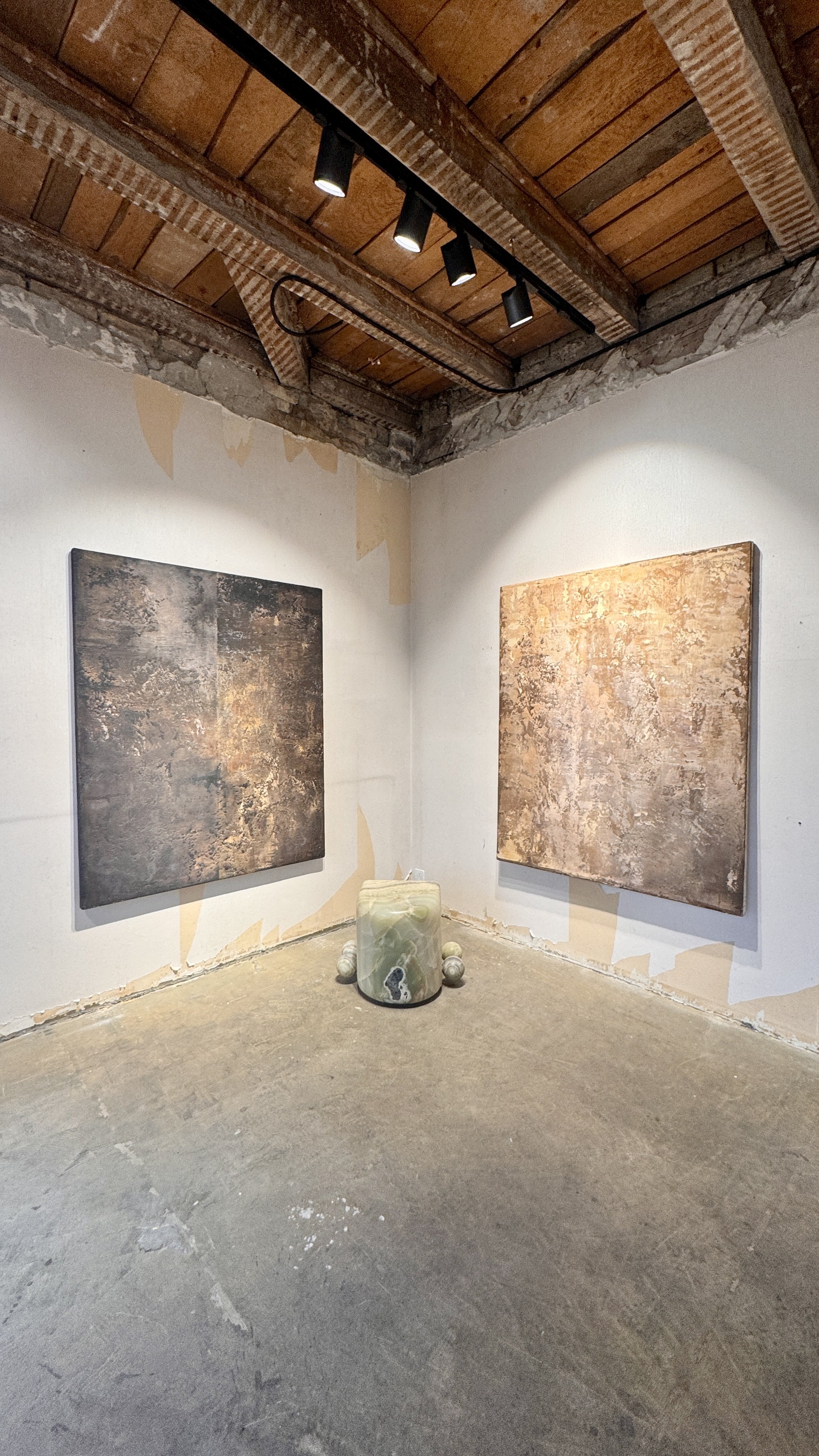
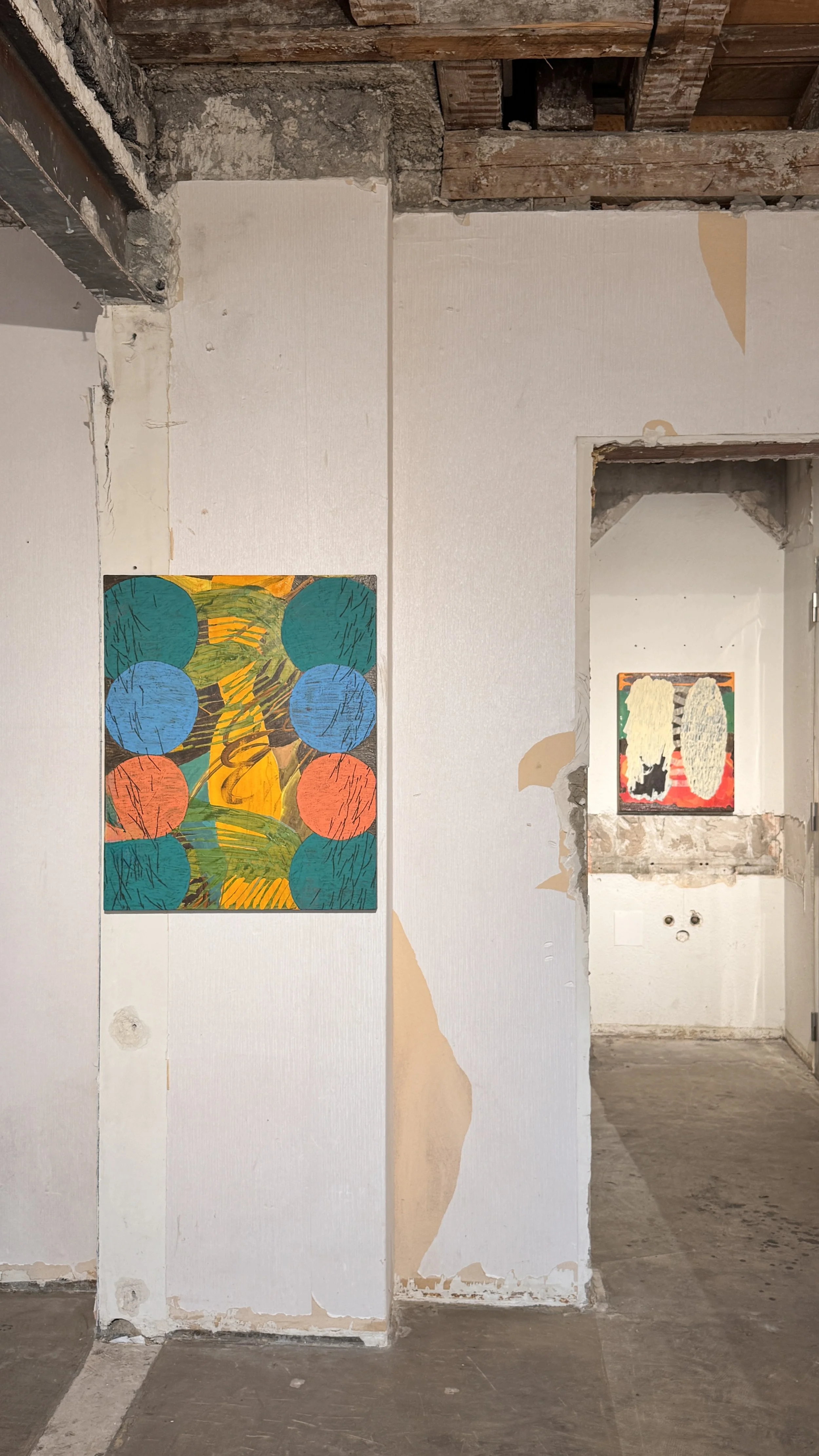
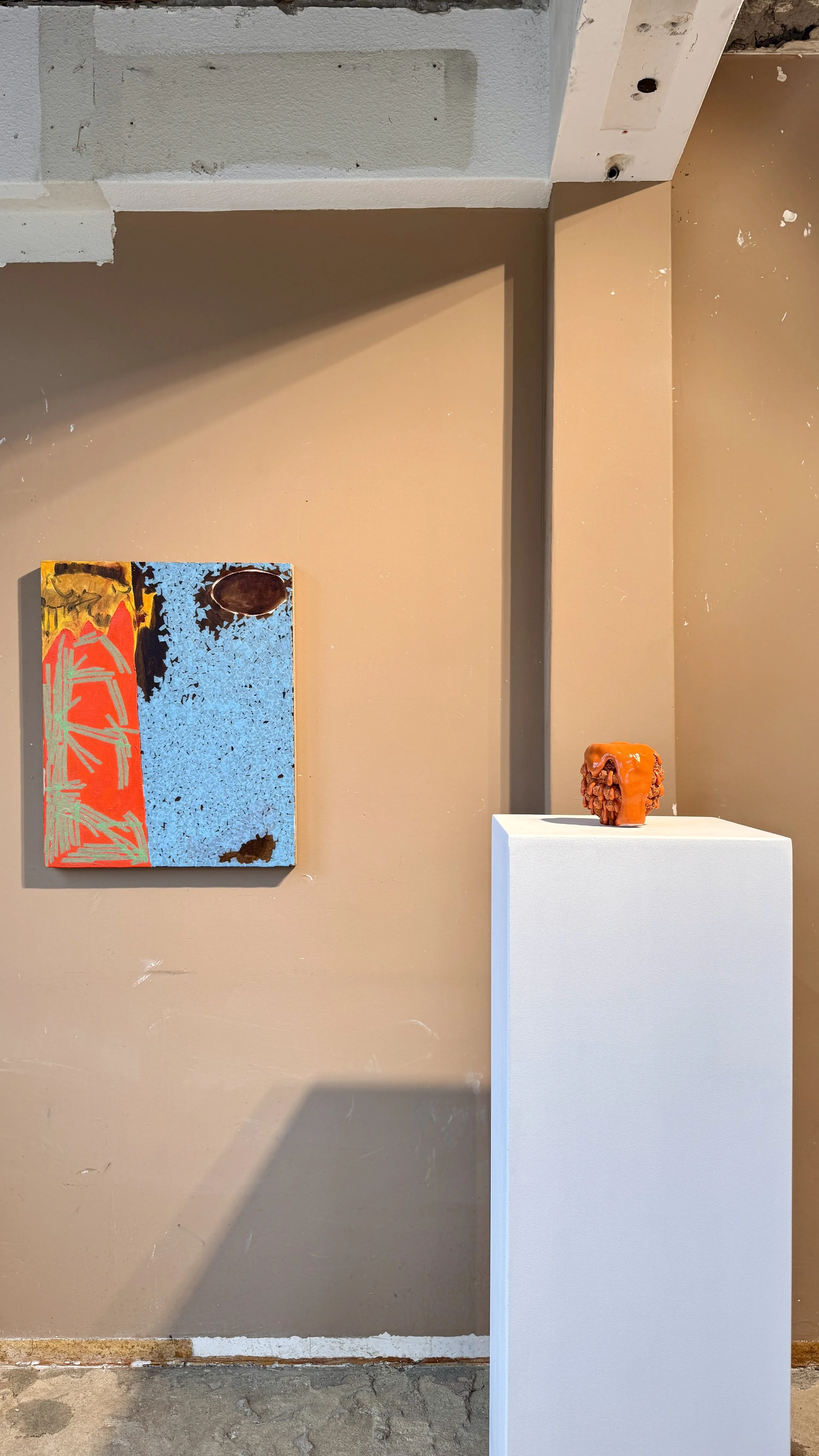
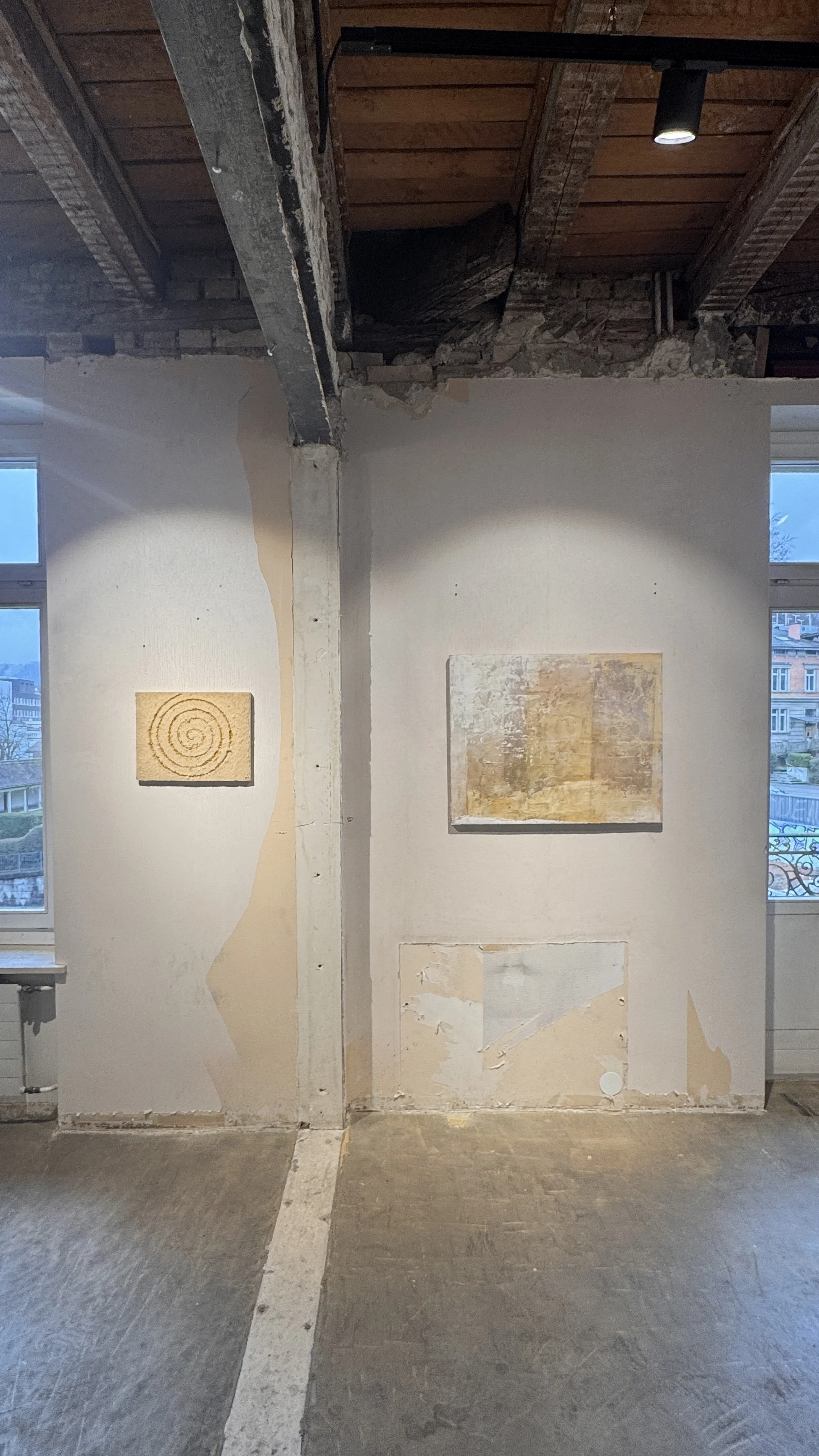
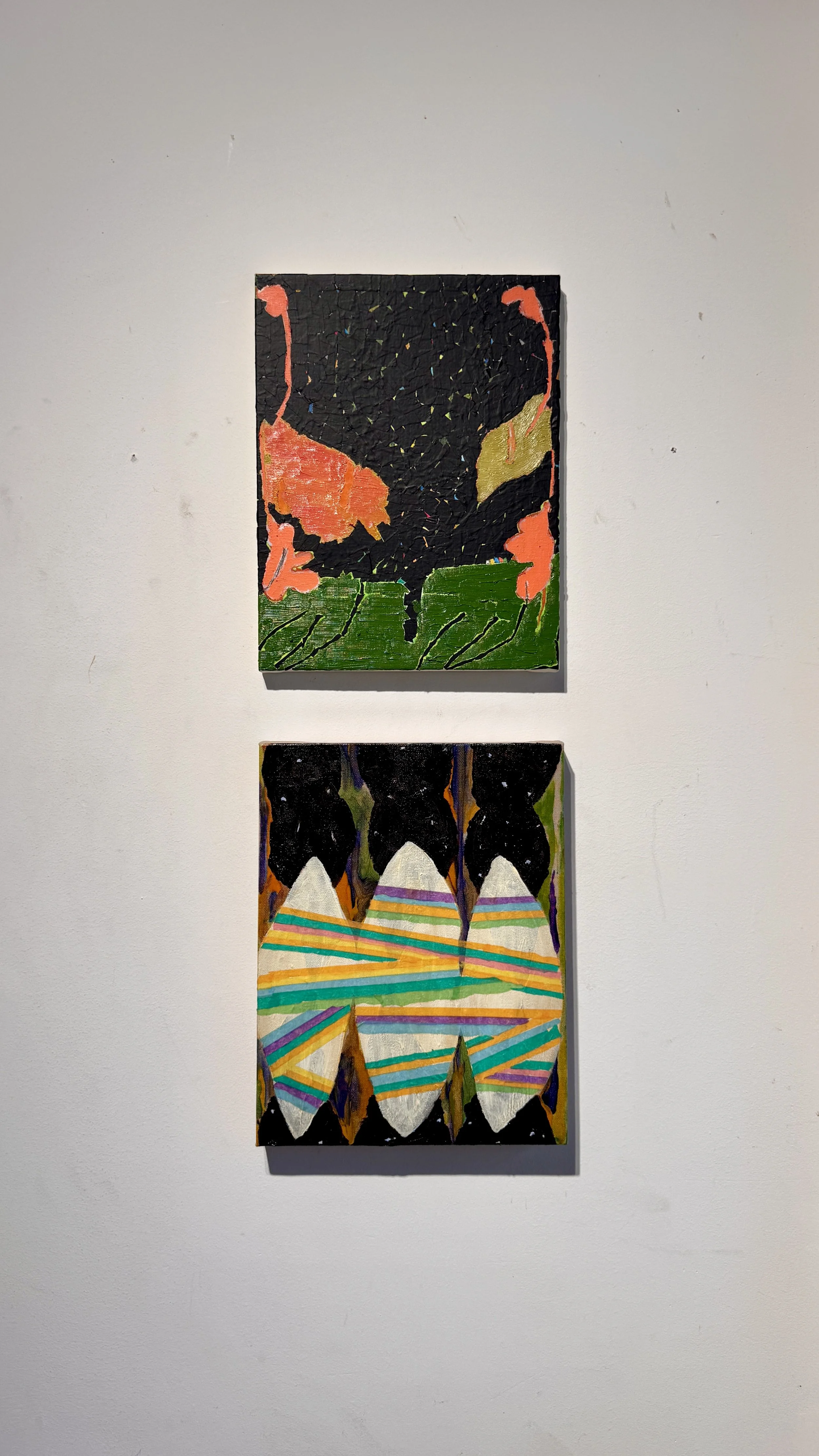
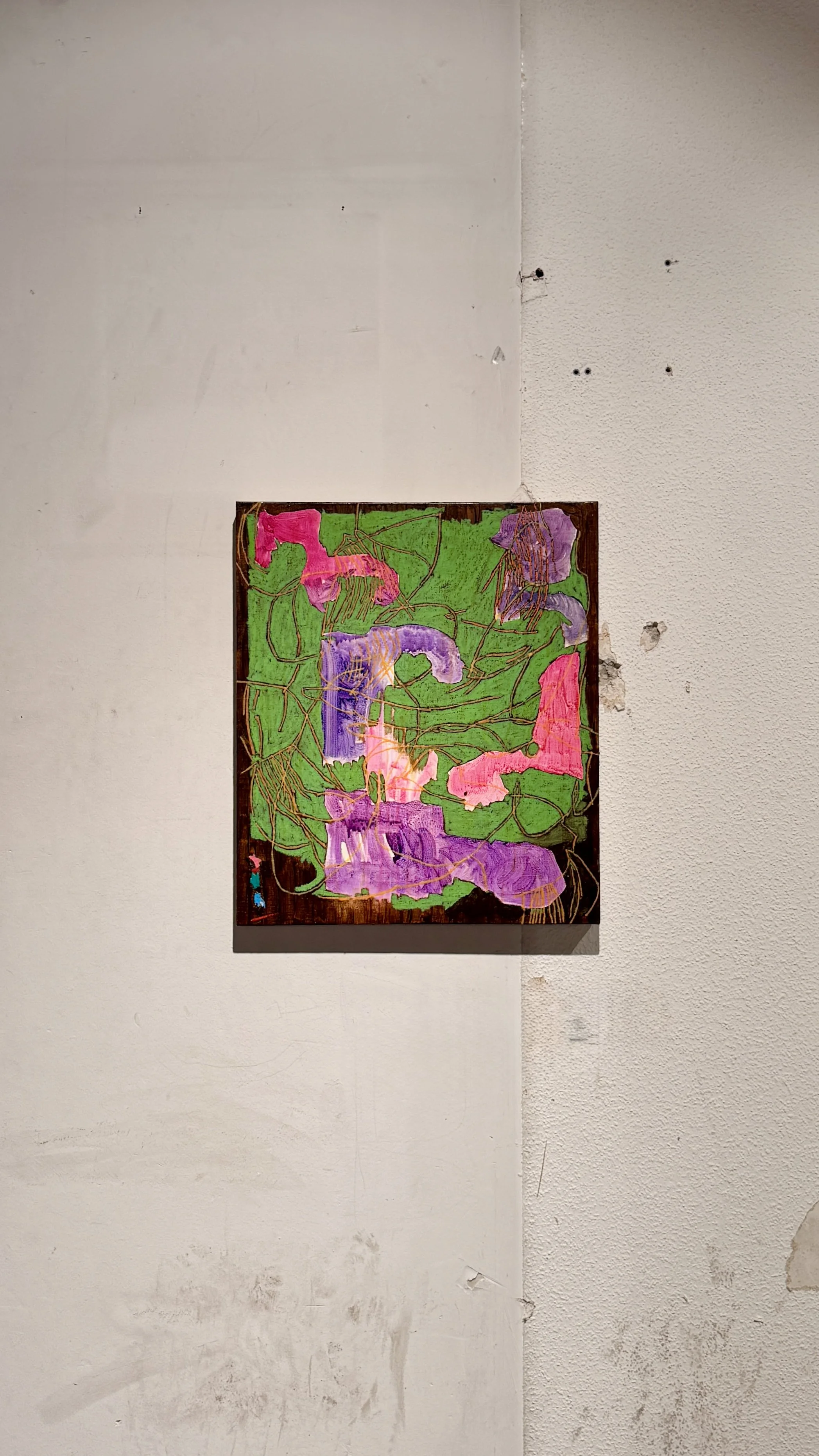
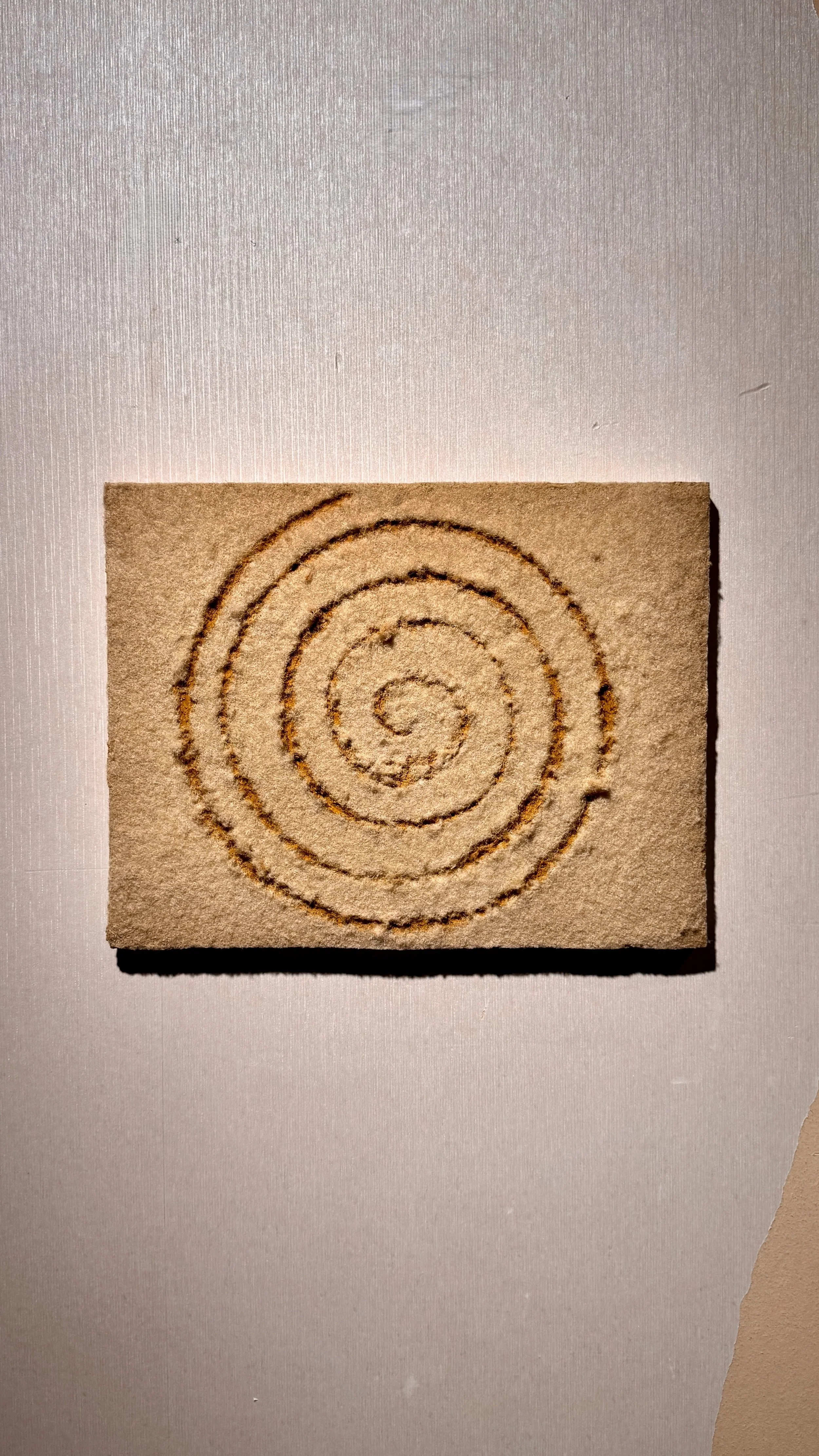
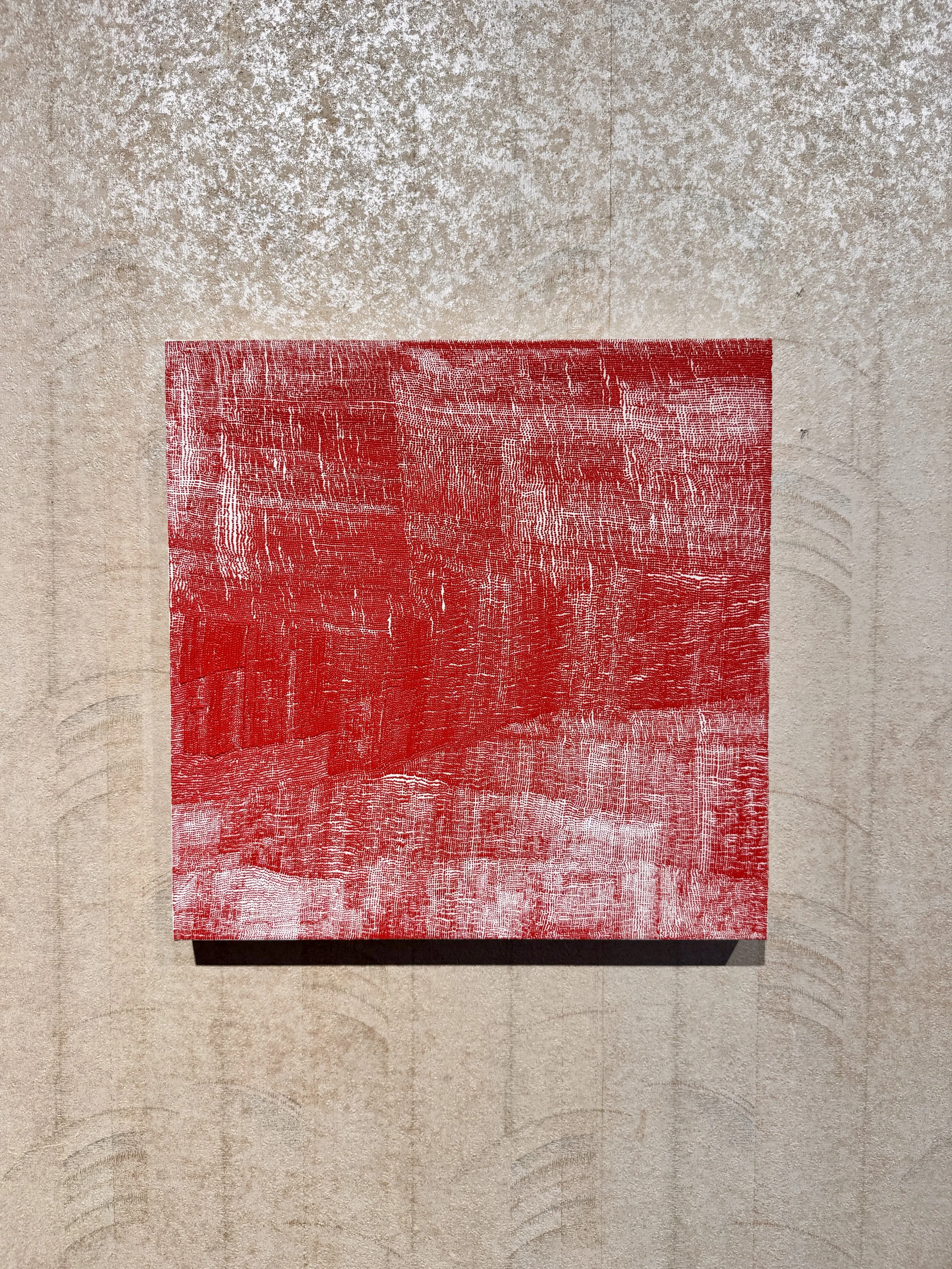
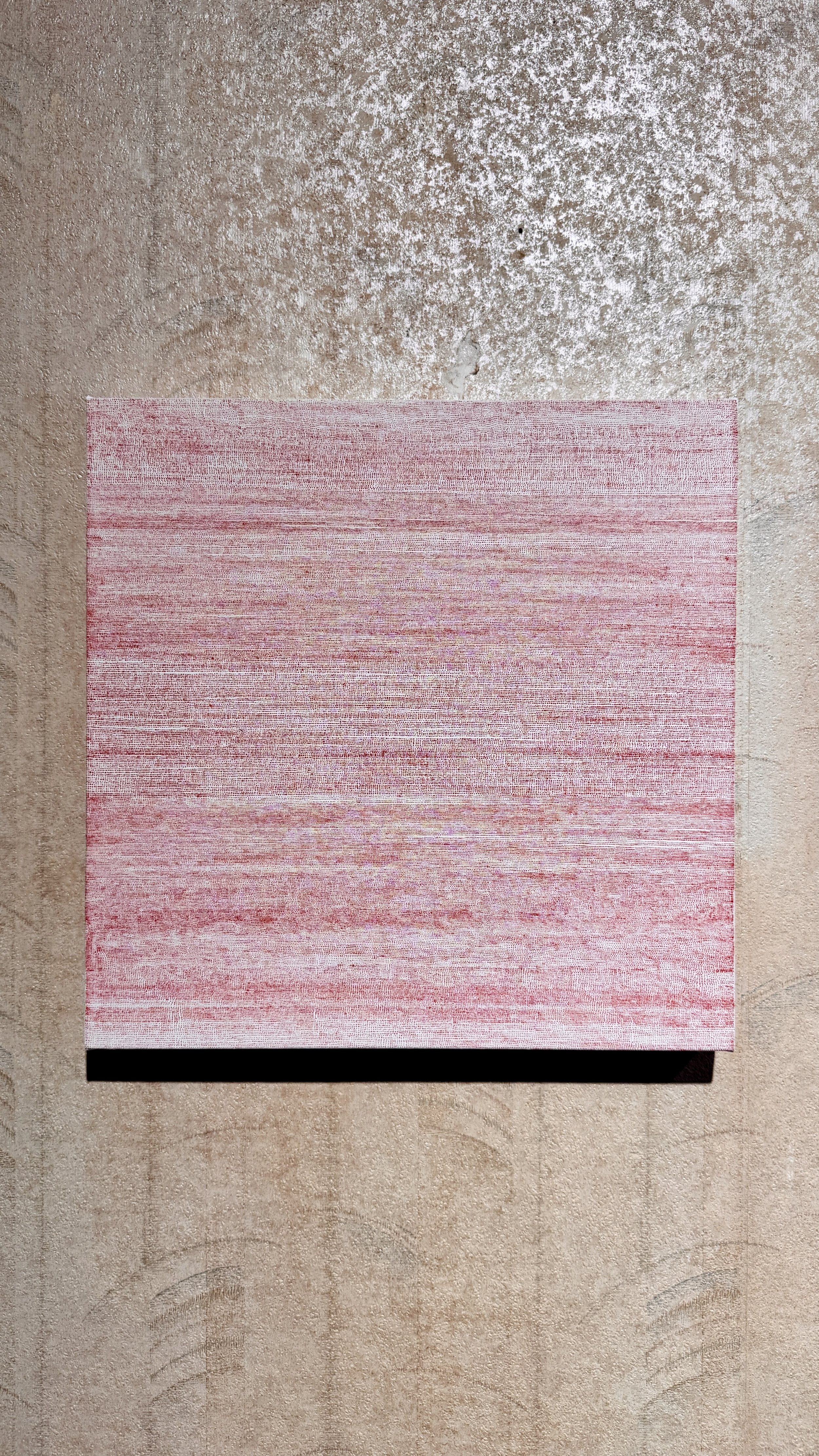
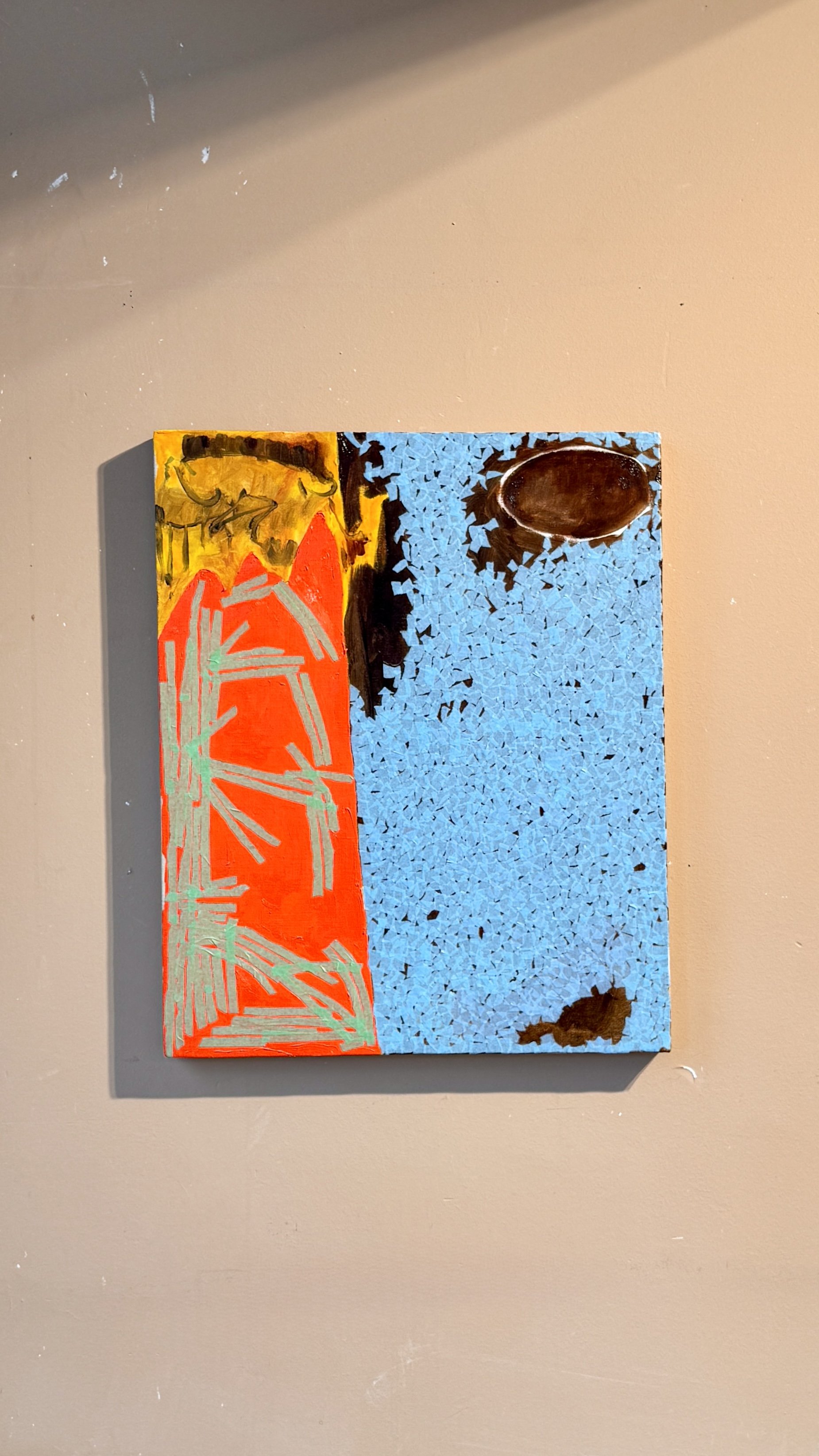
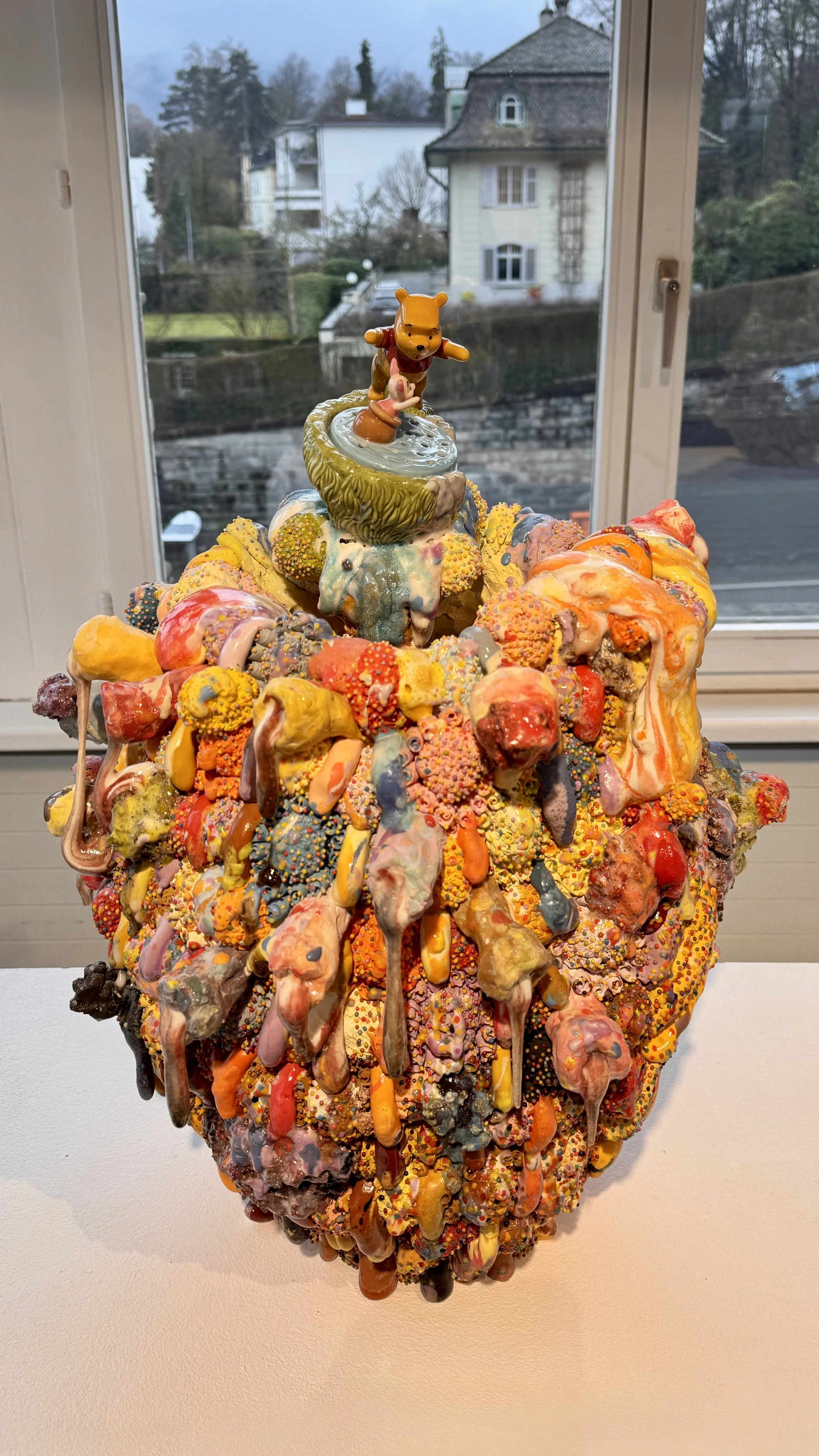
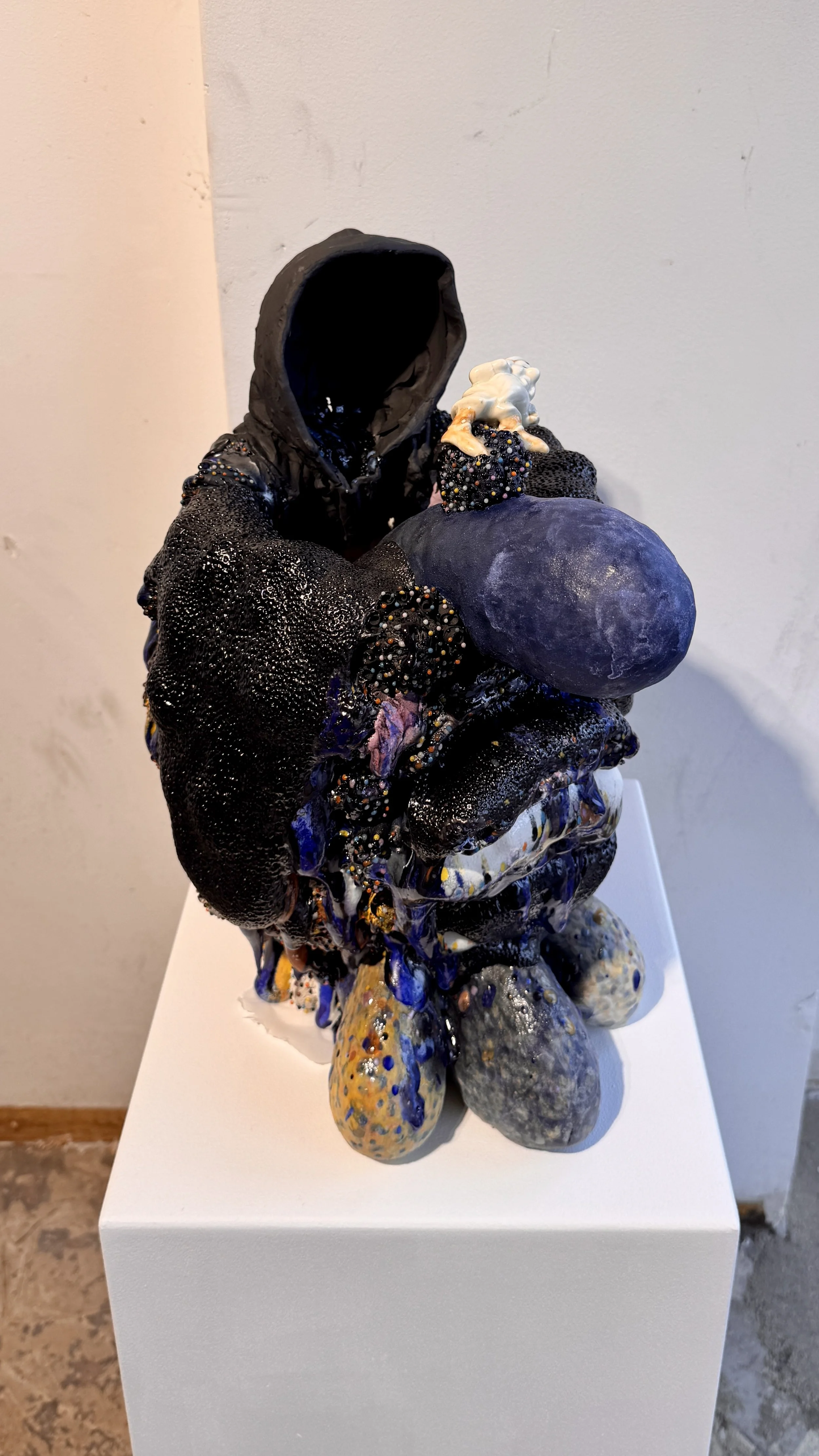
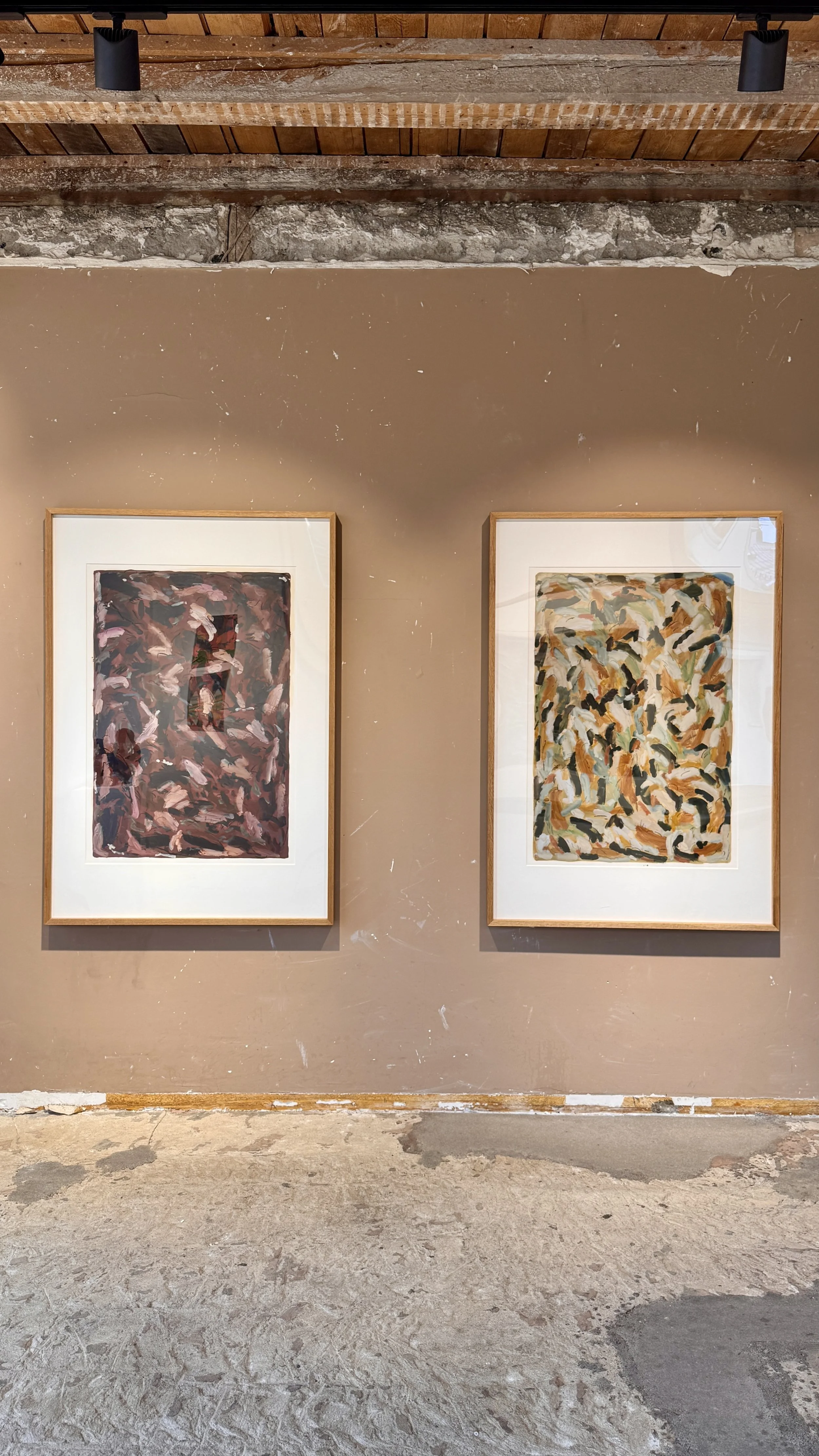
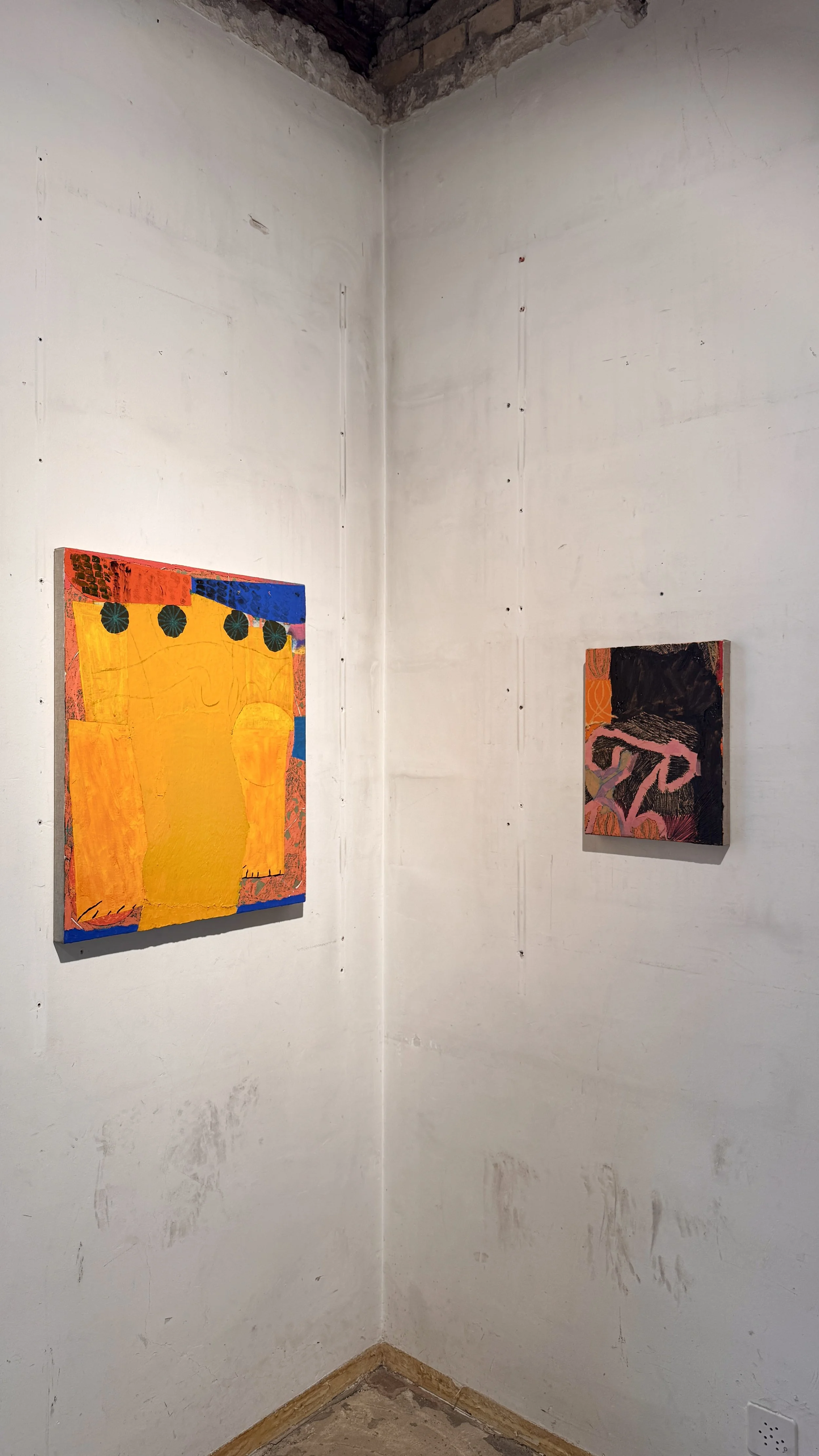
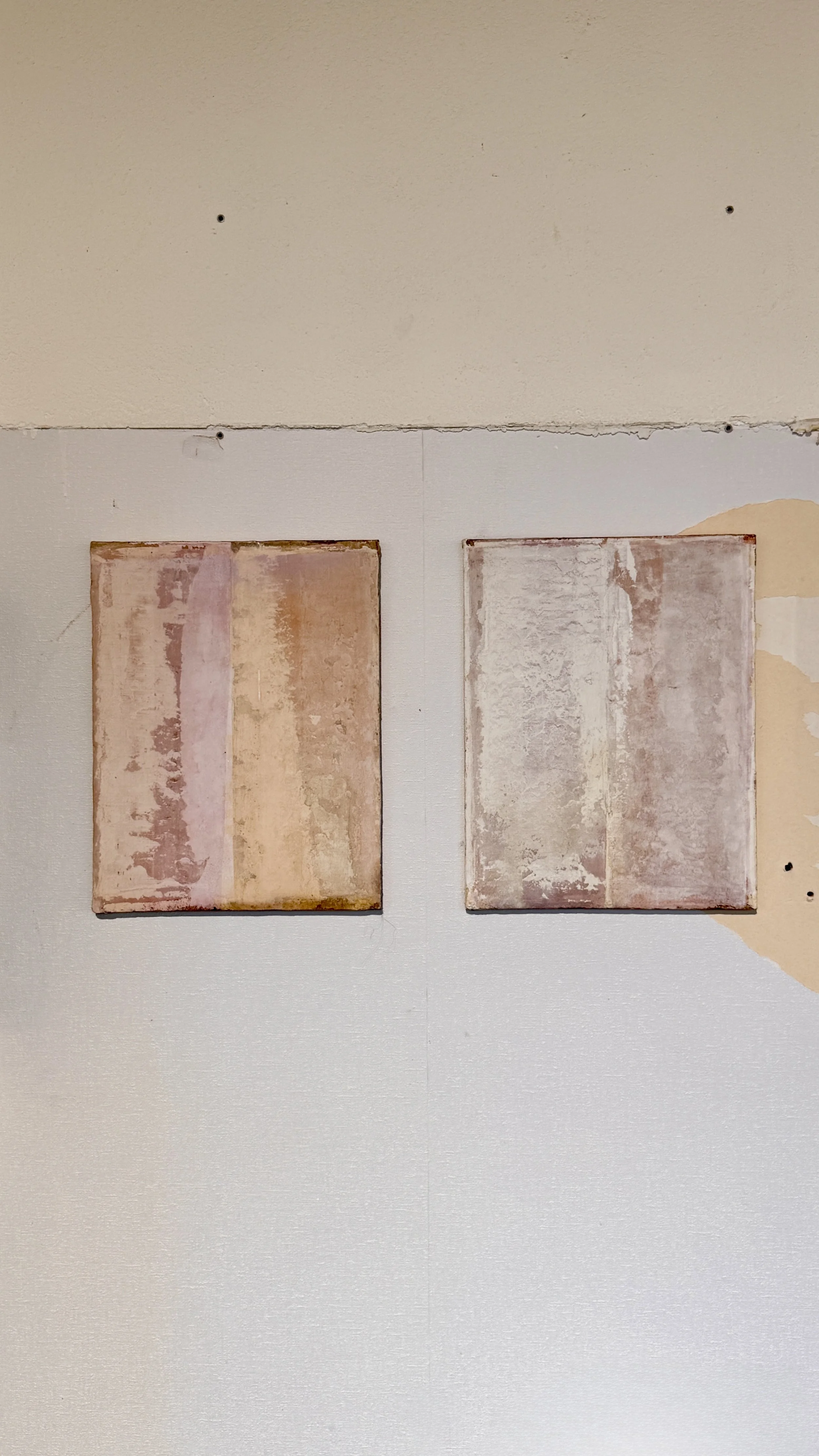
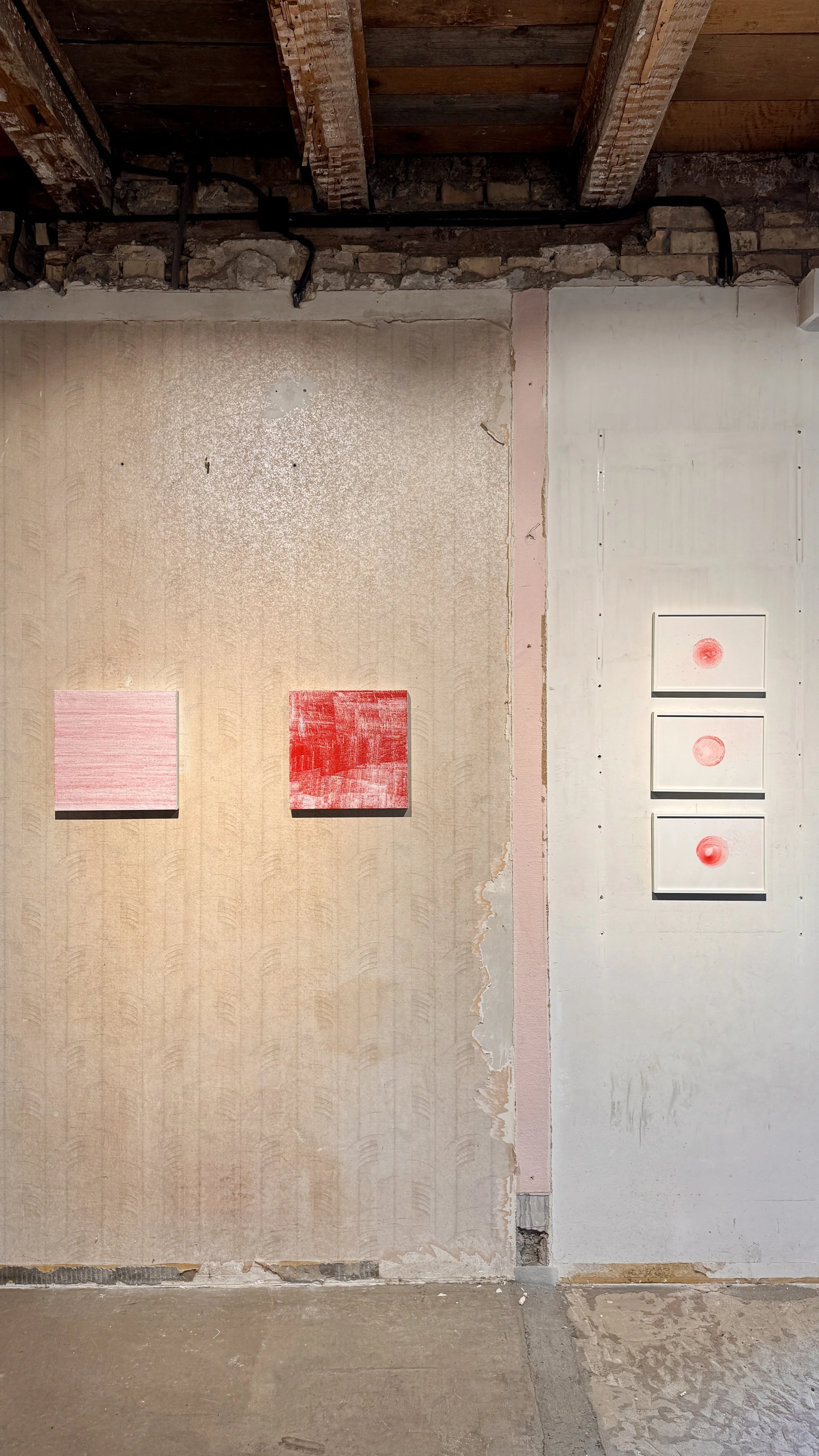
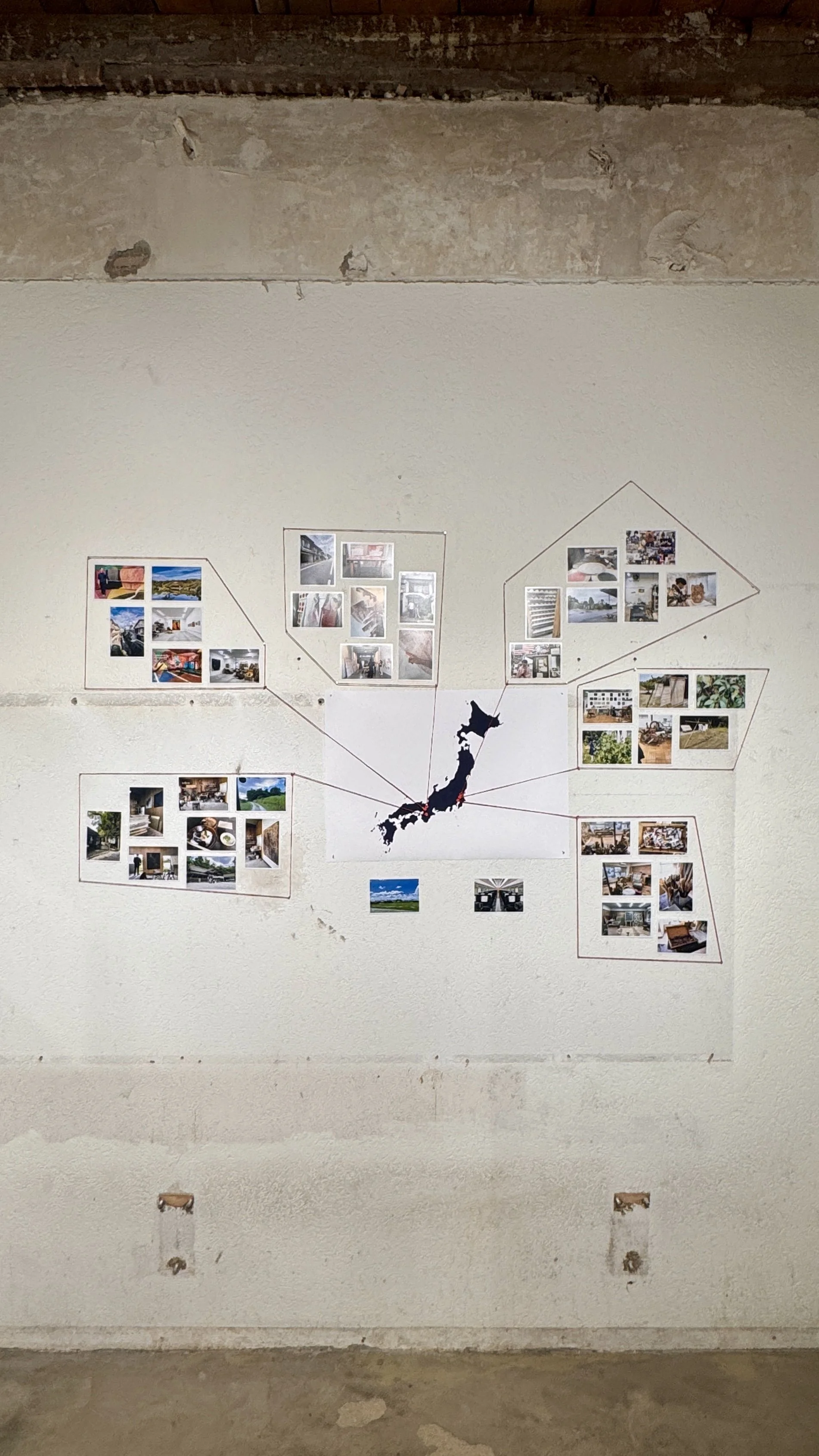
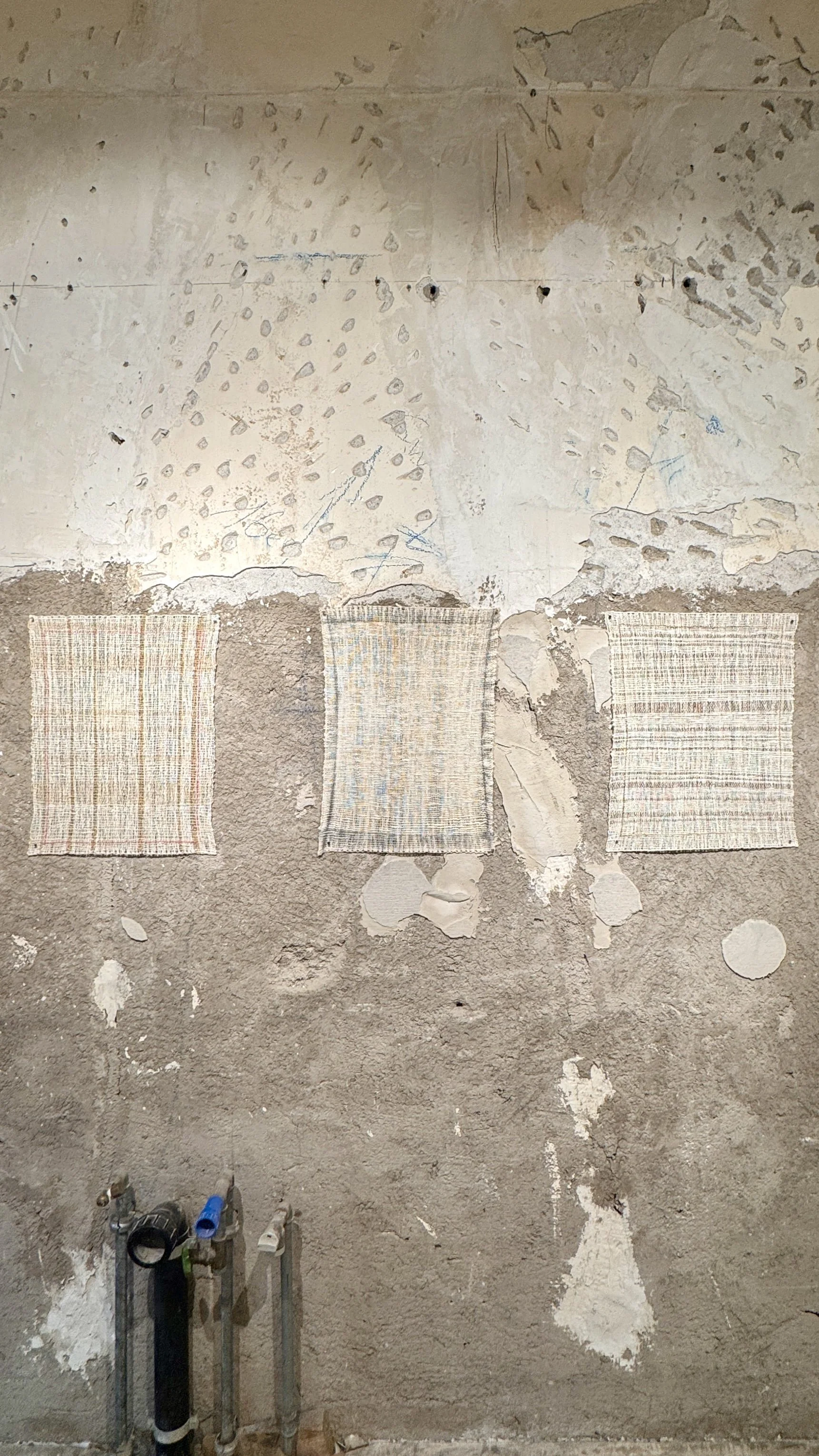
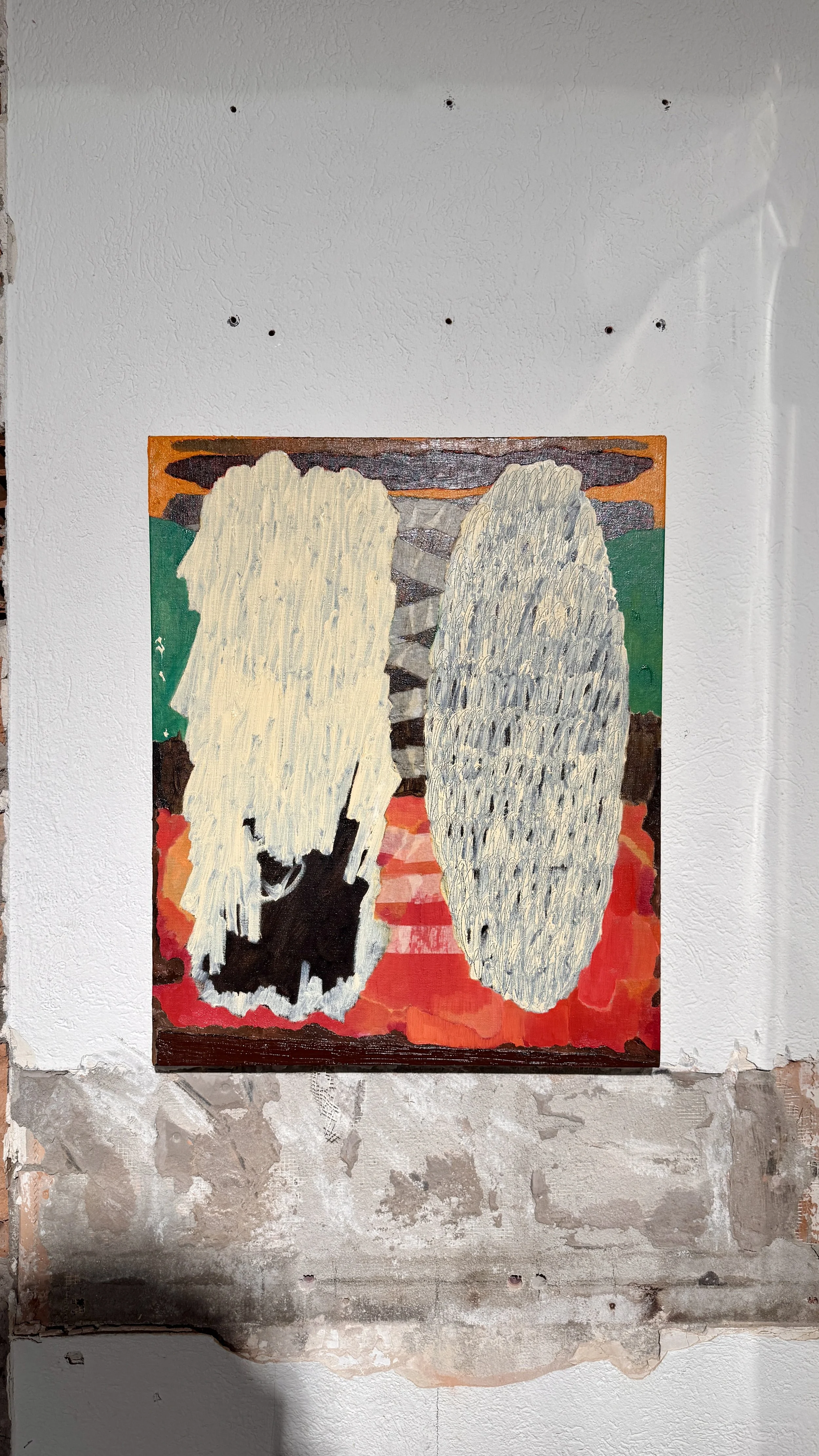
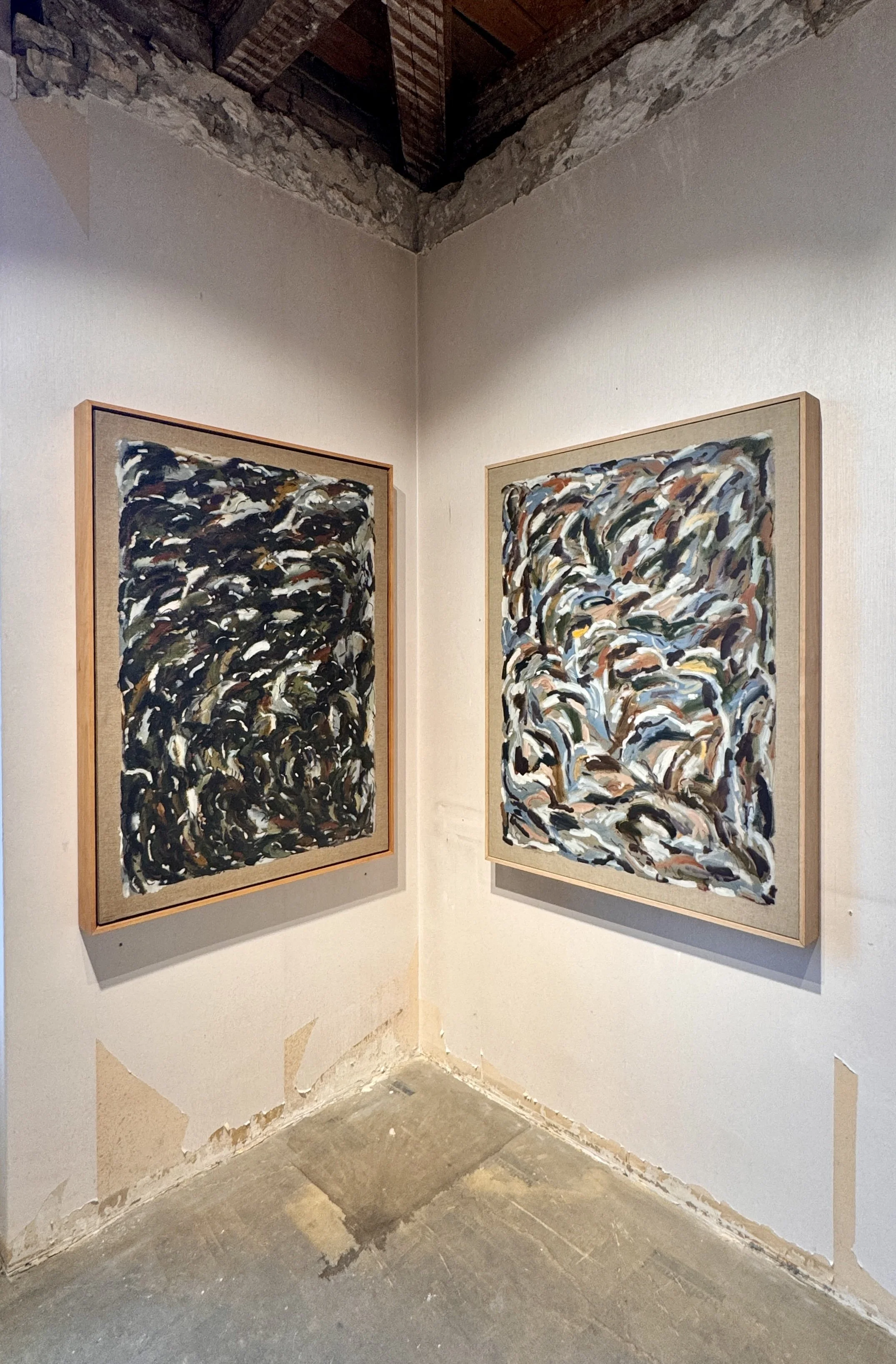
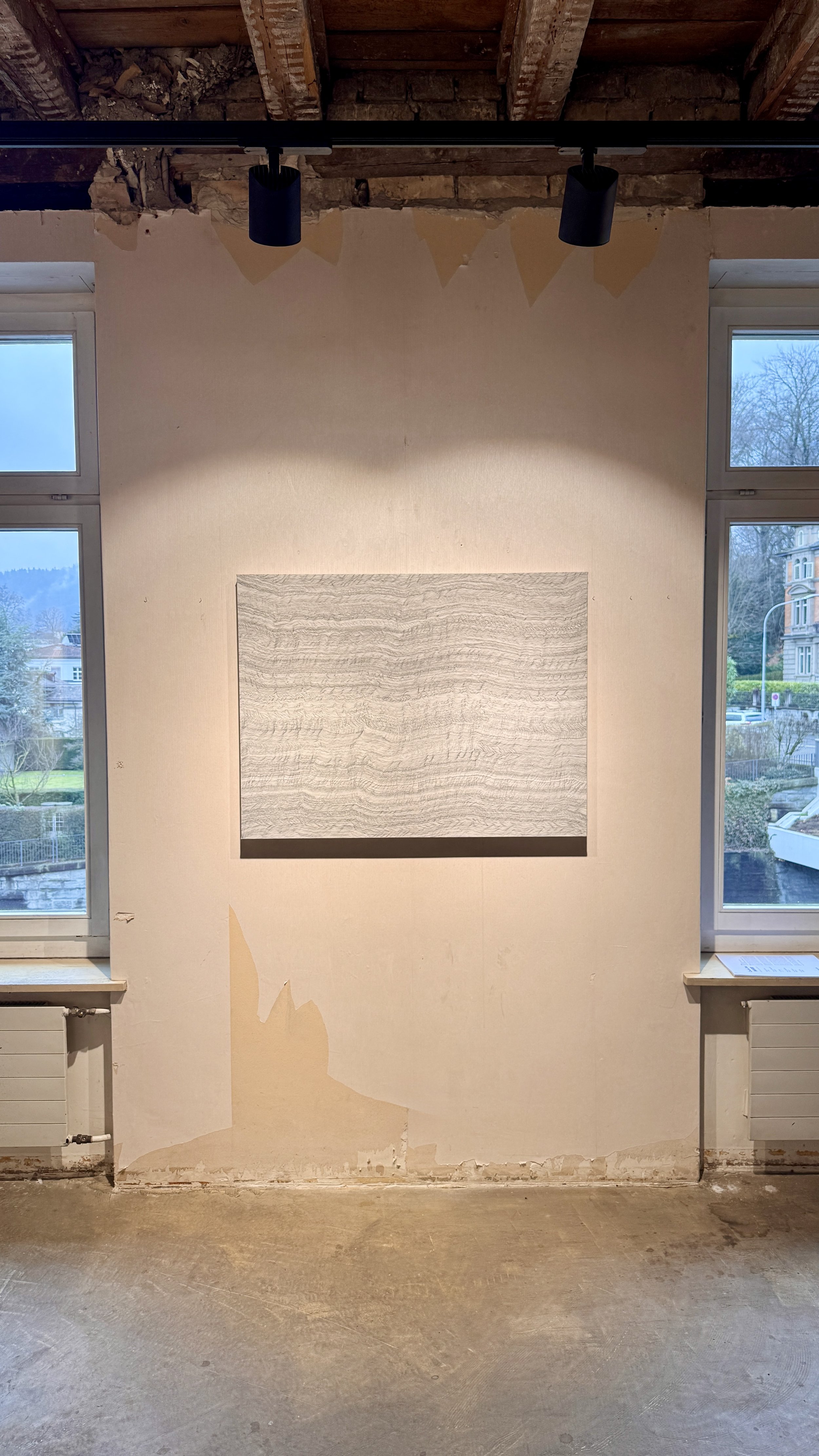
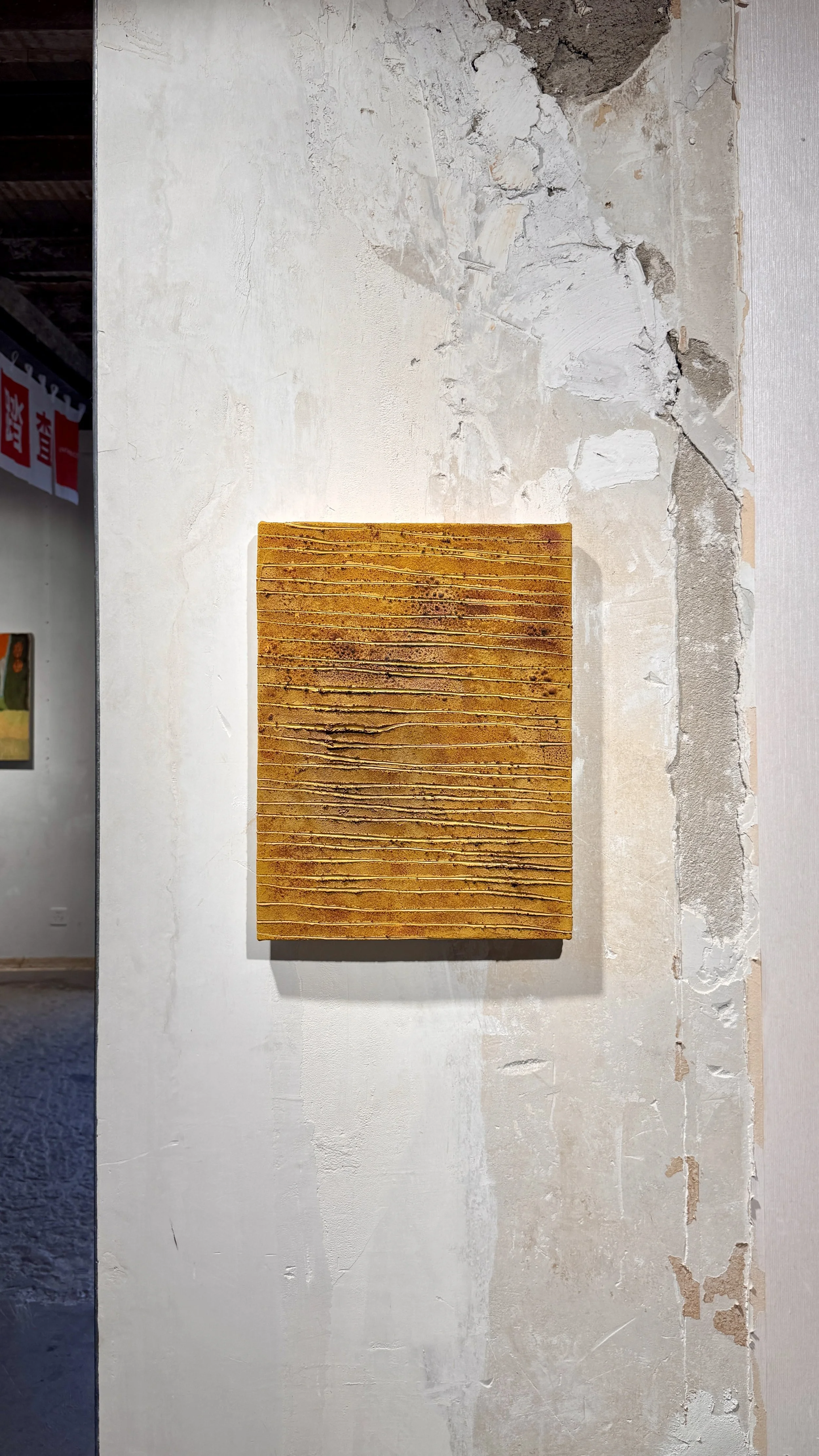
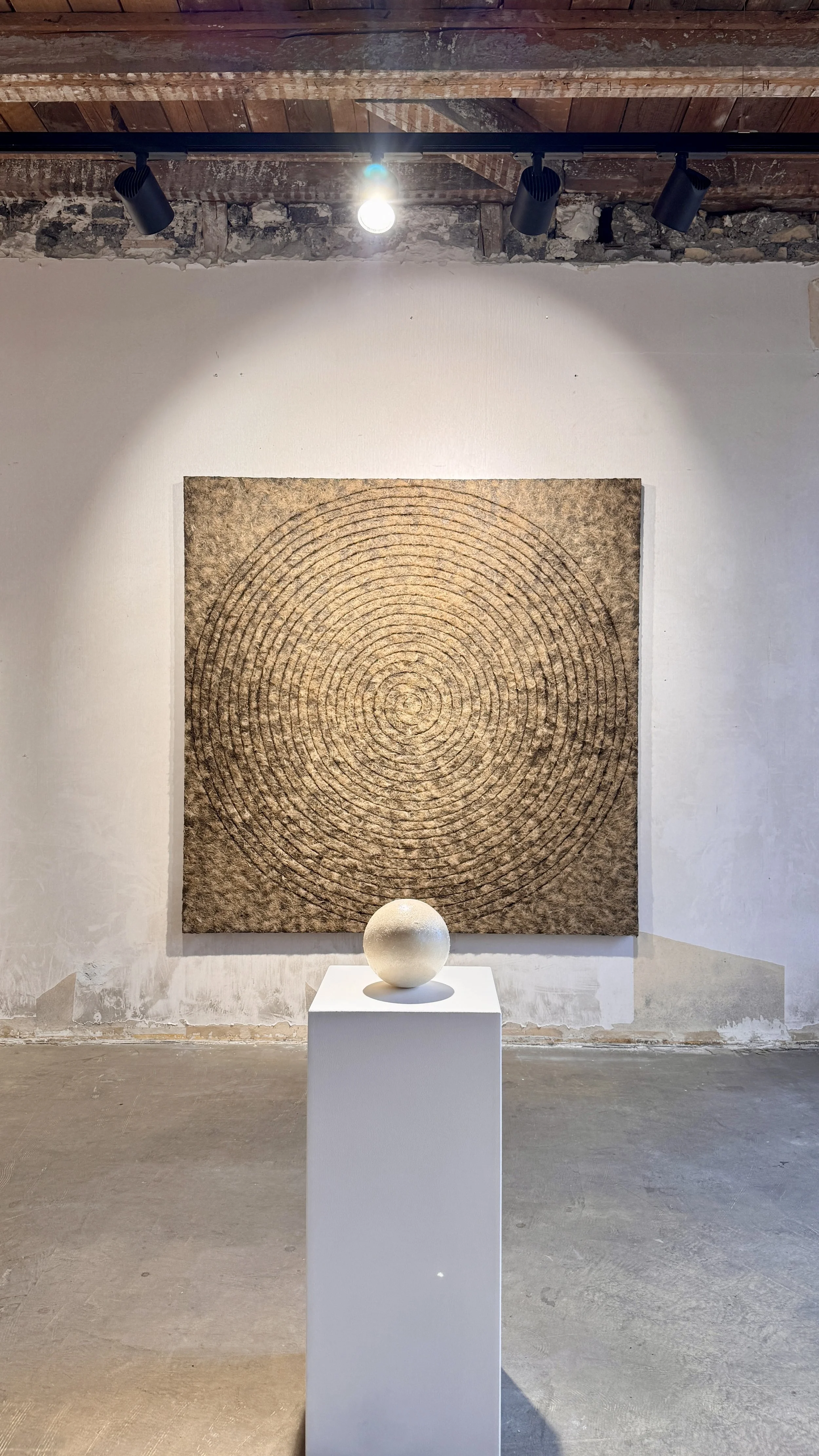
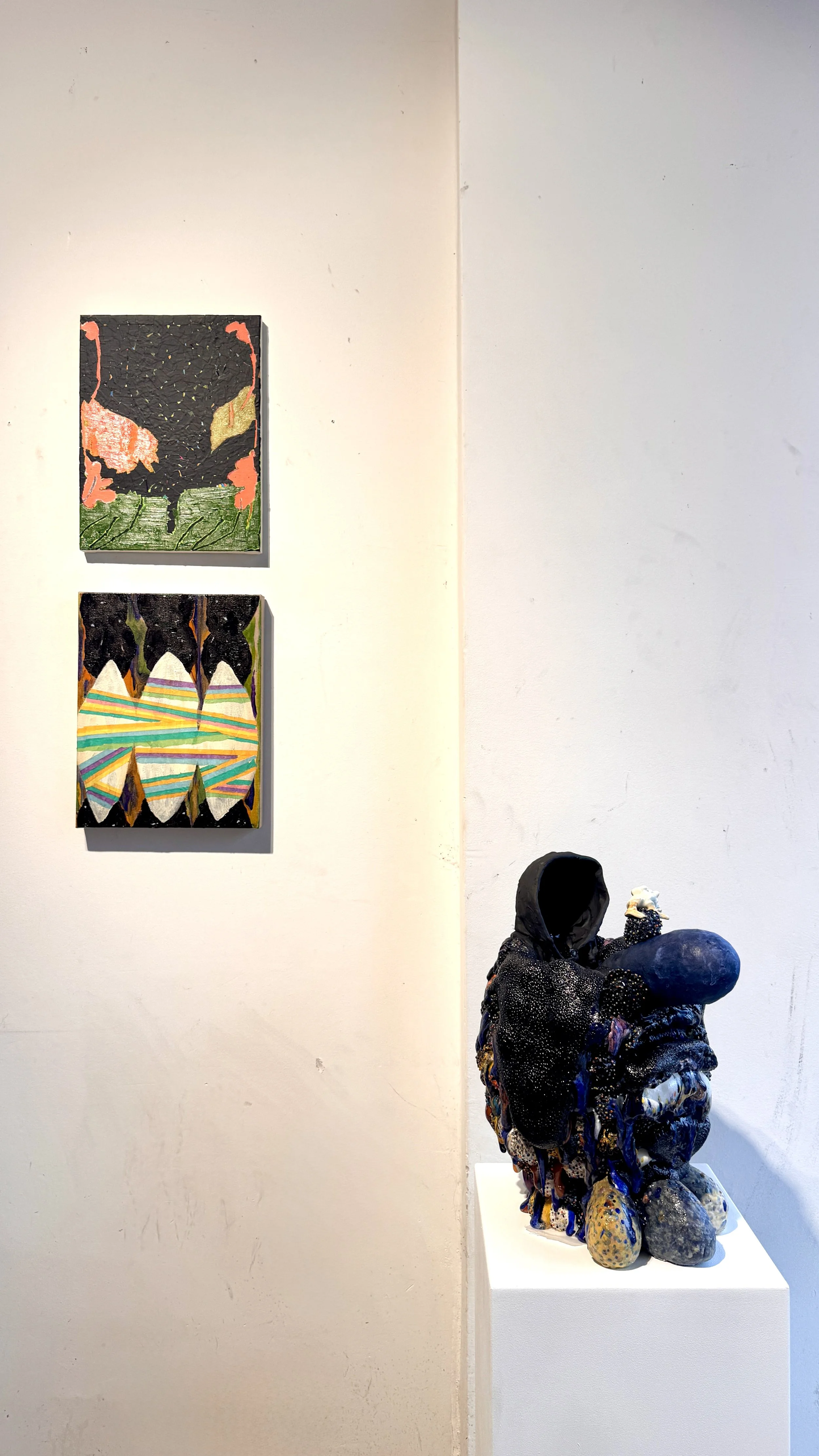
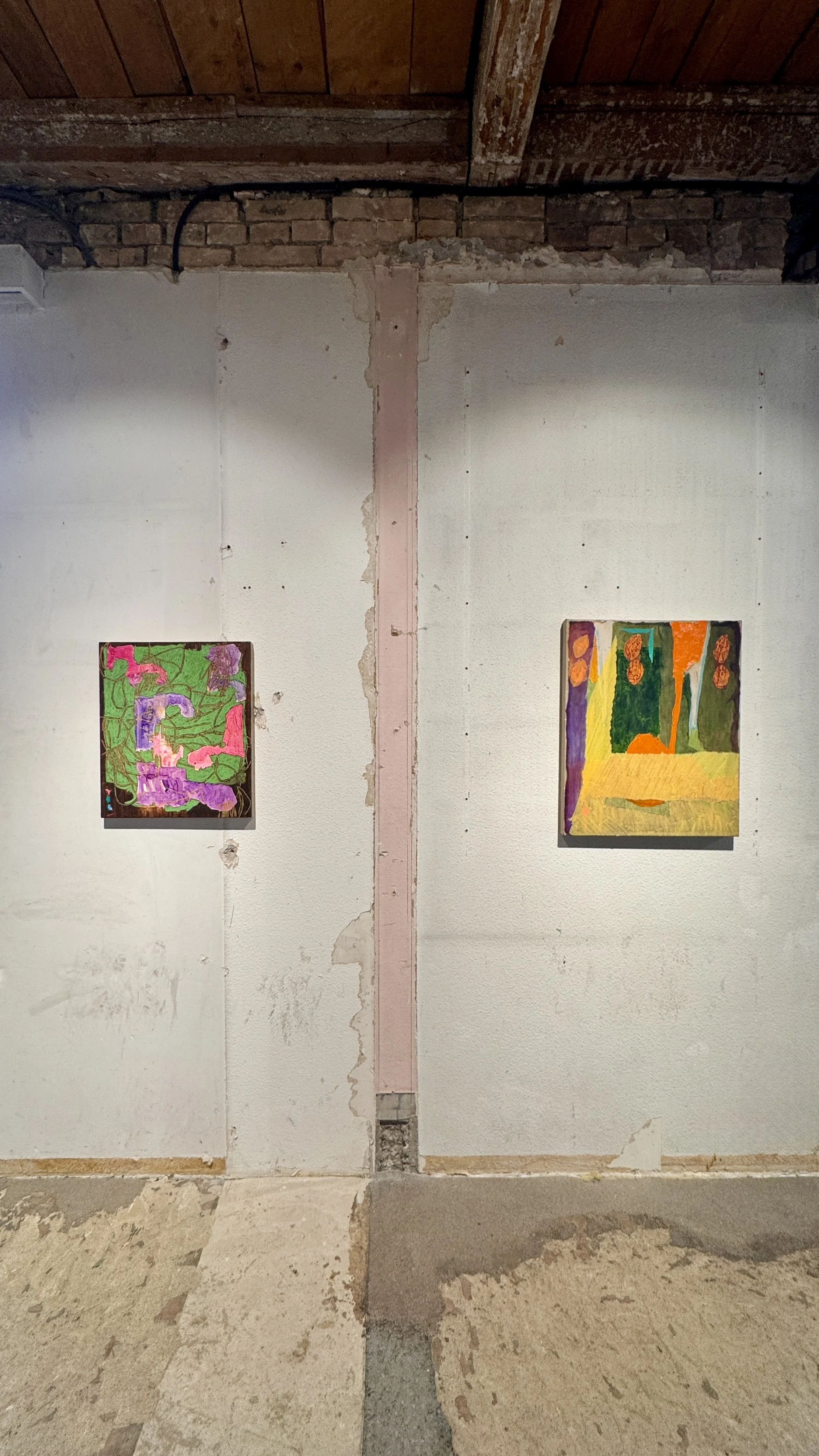
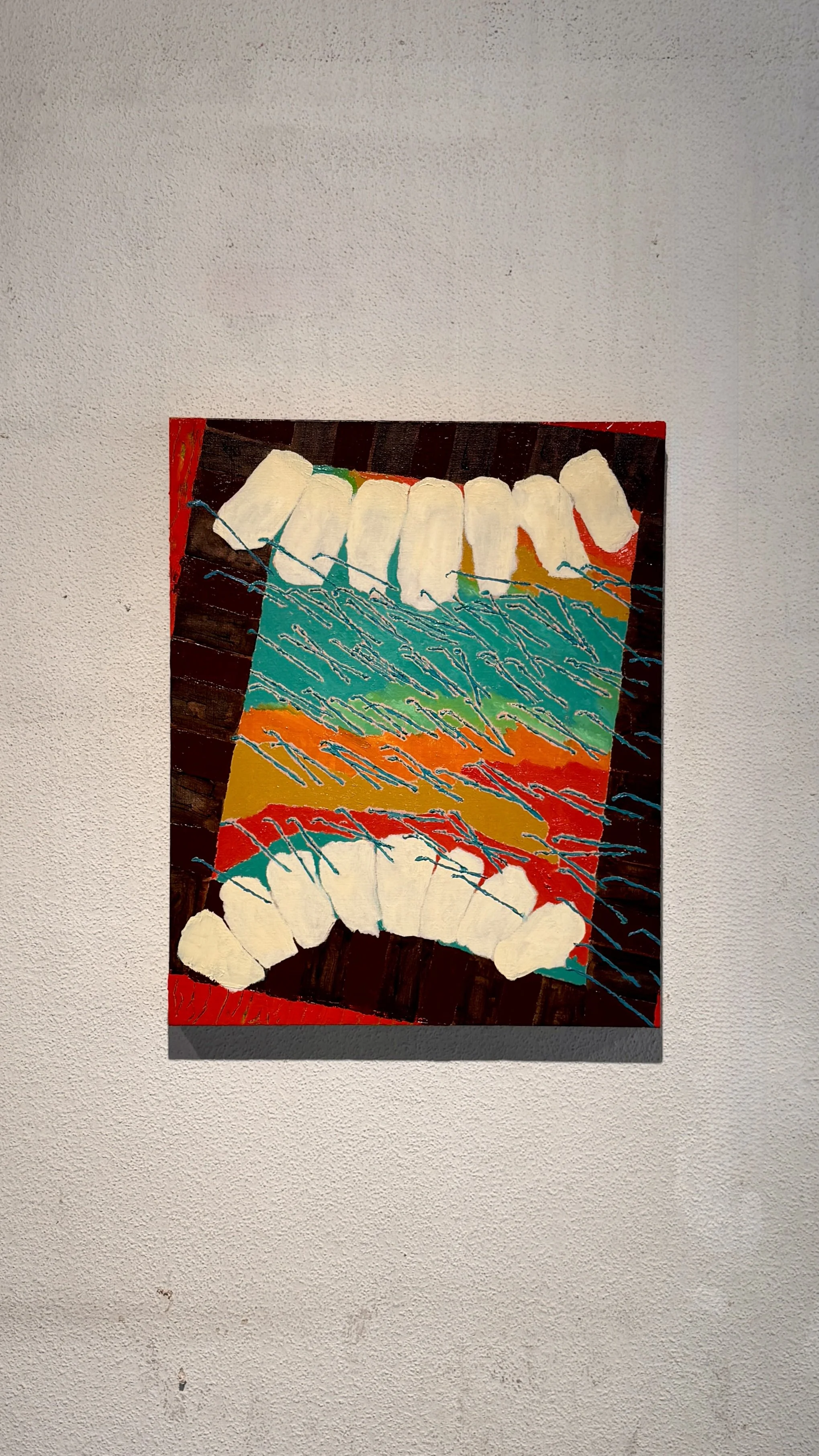
抽象踏査 is our attempt to survey the Japanese abstract contemporary art scene. During a sweltering summer, we visited six artists to learn about their practices in their natural habitat. From walks along pilgrimage paths on the Kii peninsula gathering holy water for daily coffee, to stoic repetitive body work in an old Kyoto biker den; we were honoured as the first visitors to a newly built and unused studio within a stone’s throw from Kinkaku-ji (Kyoto’s Golden Pavillion Temple), before travelling to Ibaraki prefecture to touch the soil which grows the very linen and cotton here on our walls; onwards to a countryside atelier covered with hundreds of media cutouts, before concluding the journey in a small atelier with views of the Tokyo skyline.
When thinking about Japanese art from a global perspective, even when comfortably lounging in a bullet train between Tokyo and Kyoto, it’s easy to stop after the Gutai and Mono-ha masters, Kusama, Murakami, Nara, and perhaps a few more recent, mainly figurative painters gaining recognition through blue-chip galleries. Chūshō Tōsa, however, allows our compass to navigate and discover the talent of contemporary Japanese artists working in the abstract realm.
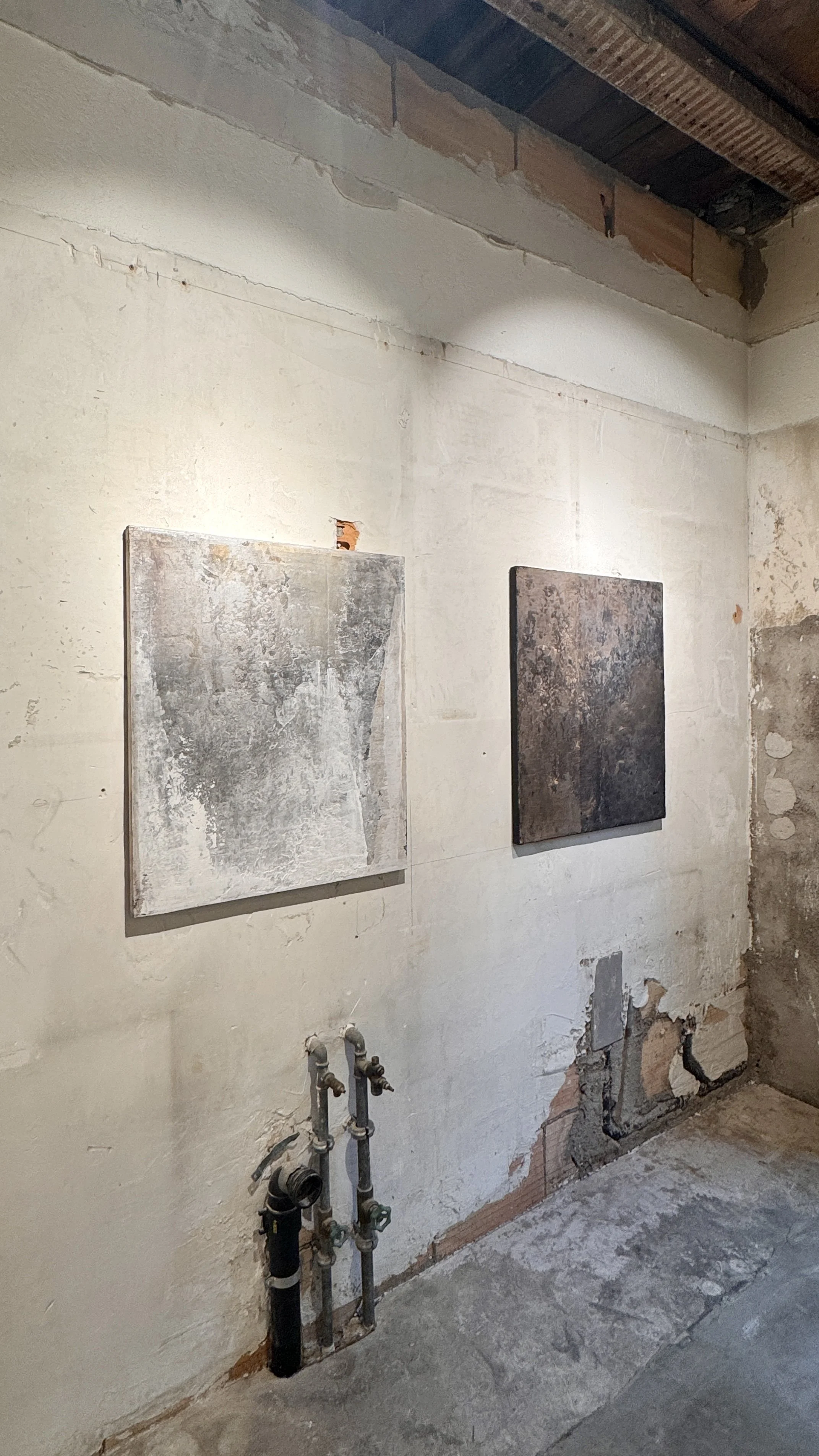
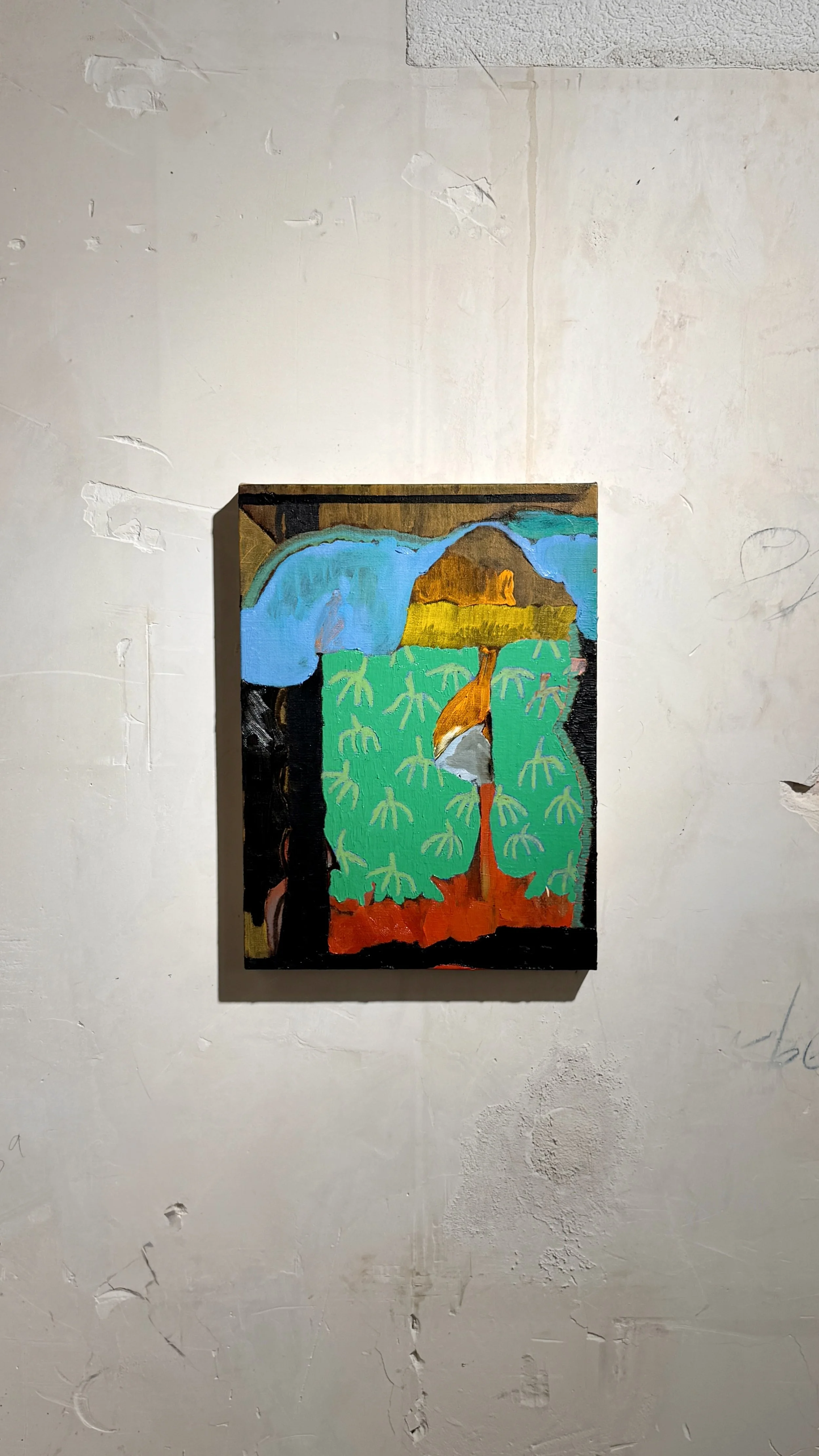
These artists will always have a connection to the aforementioned Gutai and Mono-ha movements, which elevated Japanese modern and contemporary art to a new level internationally, but perhaps more of admiration and respect than concrete influence. The artists draw inspiration from philosophy, nature, and pop culture. Takabatake visits the Lascaux caves, adores Klee, and grows her own material; Takahashi reads Platon, Kant and Berque, but goes even deeper into the religions by his very doorstep; Kawai absorbs global pop culture through the odd filter that is Japanese media, and projects it onto peculiar ceramics; Yamato finds inspiration in soil, wind and sounds of nature at a Mexico residency, and pours it into her main artistic tool, her body; Nemeth takes on jazz tunes from all over the world, transforming notes into rhythmic colours and dancing shapes; Nakayashiki studies philosophy and colour theory to come up with a unique palette which he himself is unable to perceive.
Through their visits, paintings and sculptures, drawings and tapestries, the artists help us all reach an intersection where experimentation meets philosophy. What makes their practices captivating is how their abstract art often embodies a specific Japanese worldview in which the journey of creation is just as important as the final object.
Anthracite is a Zurich-based art space founded and run by Ebba Wallmén.
Jens Petersen is a Swedish-born Tokyo-based curator, collector, and enthusiast.
Jesper Dahl is a Stockholm-based producer, collector, and curator.